
Tag: guqin
-
The Water and Clouds of the Xiao and Xiang Rivers
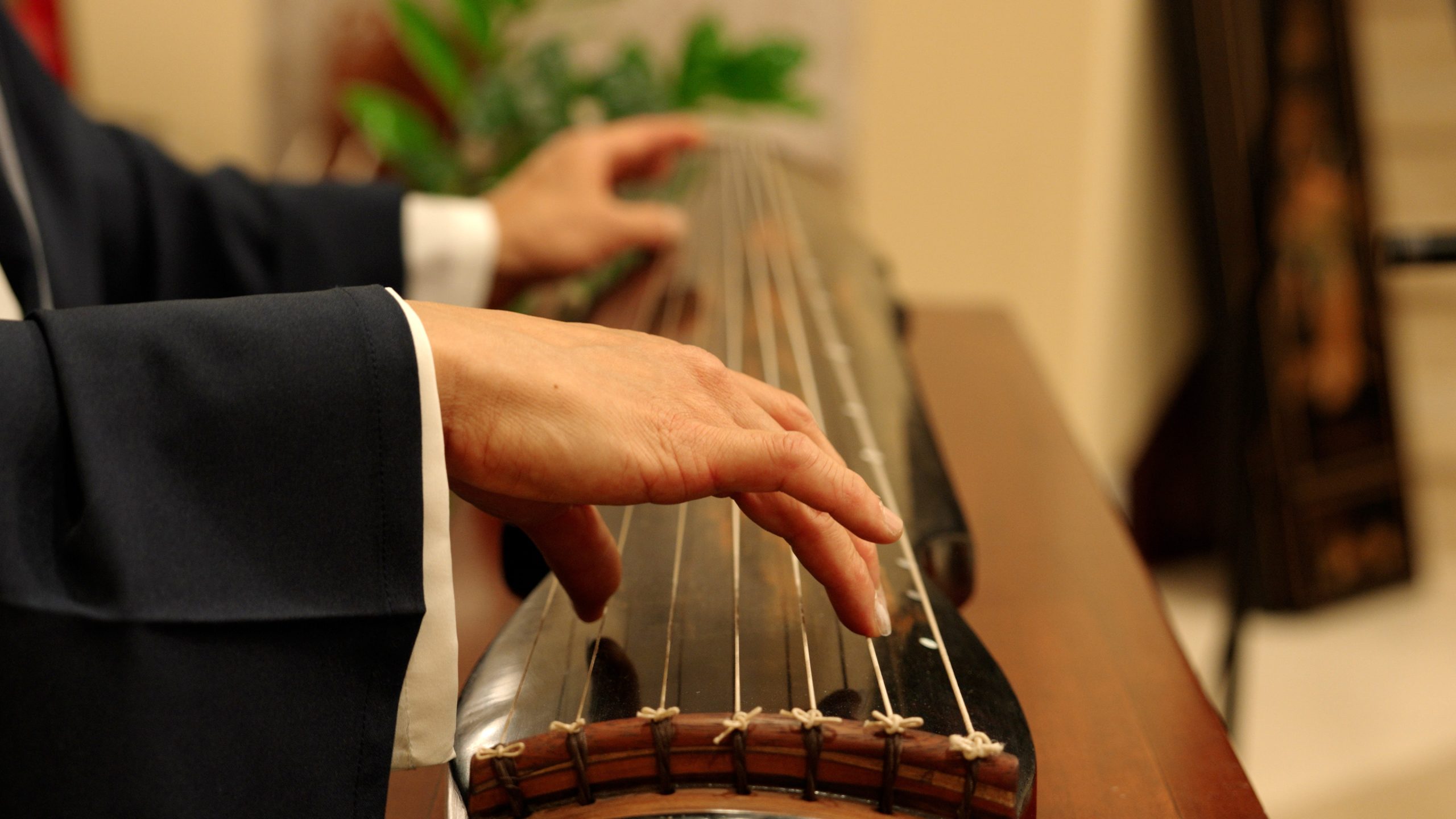
The Water and Clouds of the Xiao and Xiang Rivers (瀟湘水雲) was composed by Guo Mian (郭沔, c. 1190–1260). He was a qin player from coastal Zhejiang (浙江), and I’d find out that he and my wife share the same ancestral hometown of Yongjia, Wenzhou (温州市永嘉县). As a famed guqin player in his day, he…
-
The Boatmen’s Song
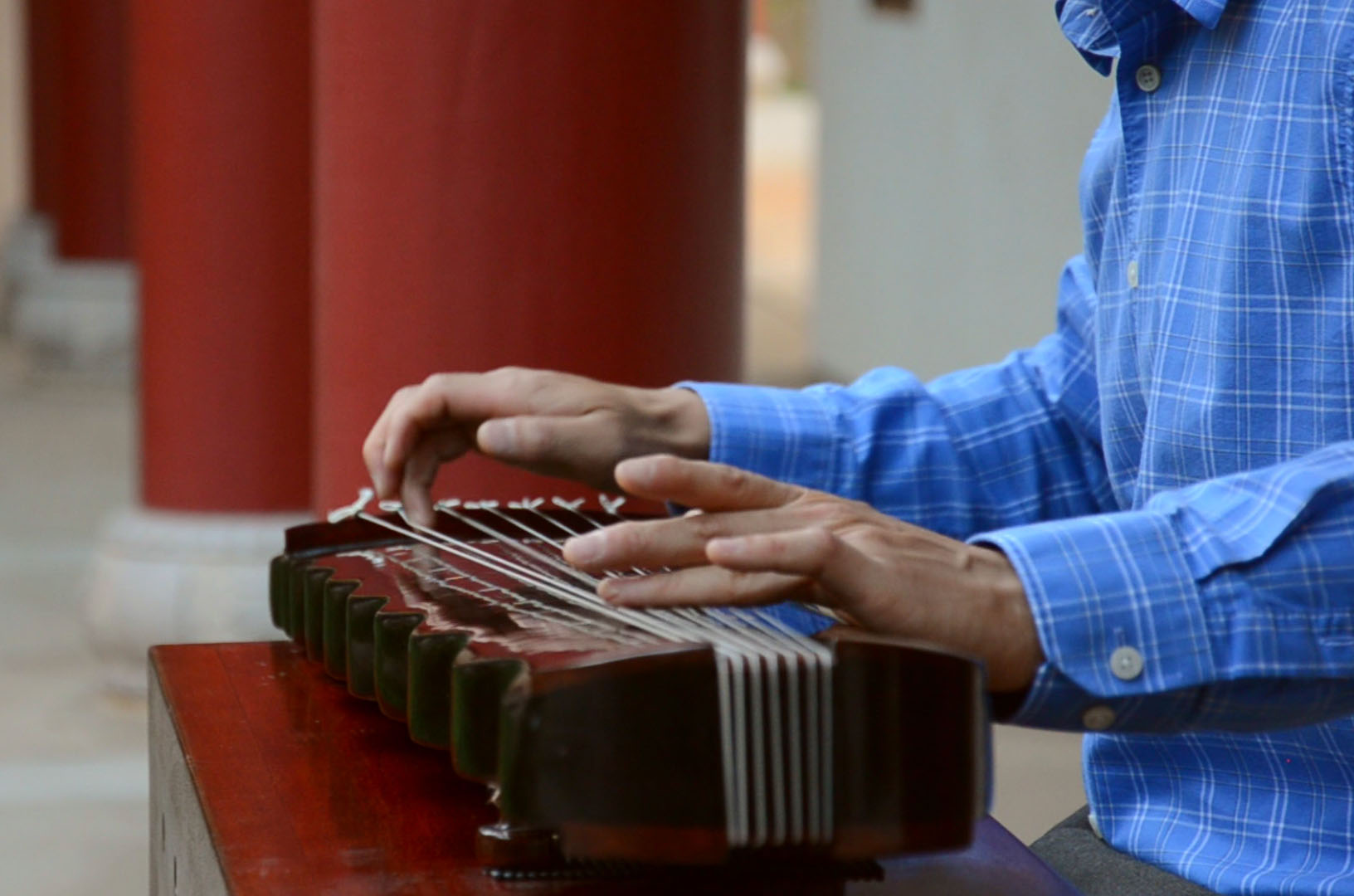
The term “Ao Ai” 《欸乃》 originally appeared during the Tang Dynasty, in a poem by Yuan Jie 元結. As a guqin melody, however, this piece traces to 1549. Also known as the “Northern Fishermen’s Song” 《北漁歌》, the more well-known title “Ao Ai” is an onomatopoeia—it’s melody was written to conjure up sounds of oars and…
-
Goodbye, ’Ma

My grandma comfortably passed away four days ago at the age of 90. The guqin piece, Evening Call of the Raven 烏夜啼, is dedicated in her memory. * * * * * ’Ma was born April 19, 1924, the sixteenth day of the third lunar month, year of the Rat 甲子年三月十六, to my great grandparents—Chua…
-
Evening Call of the Raven
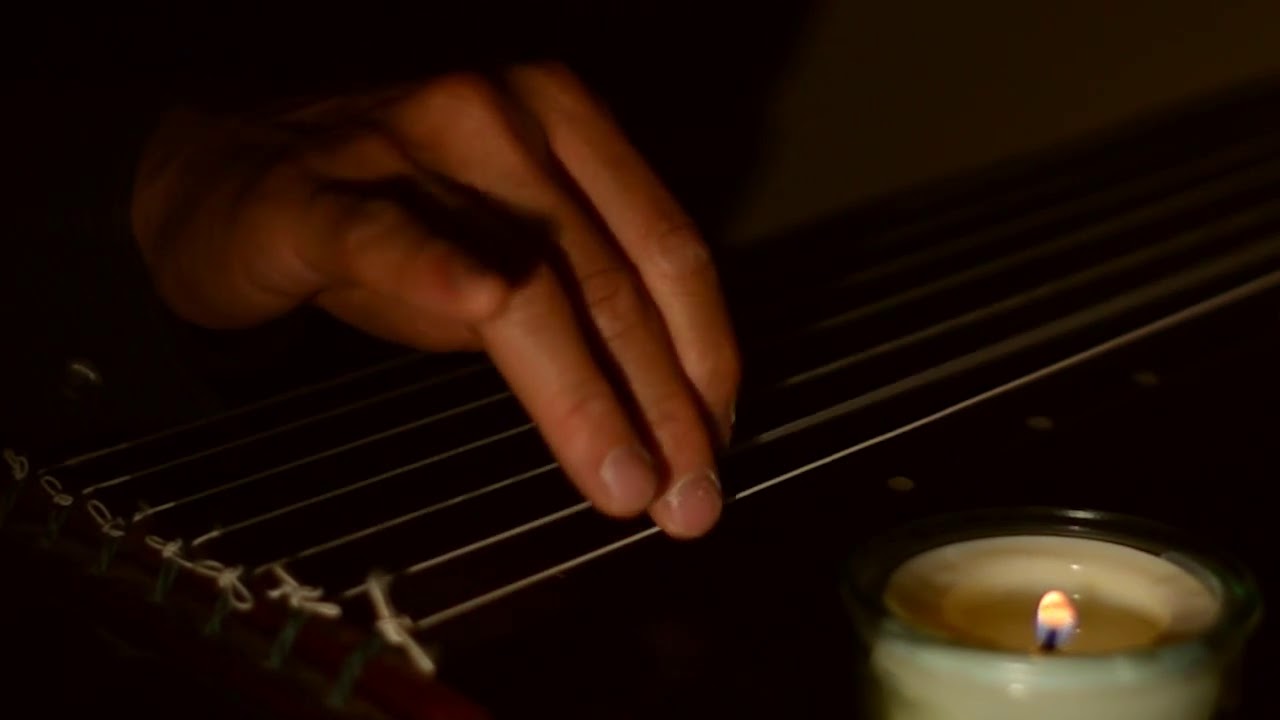
At night, the raven’s call, often thought to be a bad omen, was considered lucky in Chinese literature associated with this piece. The melody is attributed to a Liu Song Dynasty prince, Liu YiQing 劉義慶 (403-444). In the year 440, Liu YiKang 劉義康 (409-451), Regional Inspector of Jiangzhou, was banished by Emperor Wen 宋文帝 (407-453)…
-
Flowing Waters
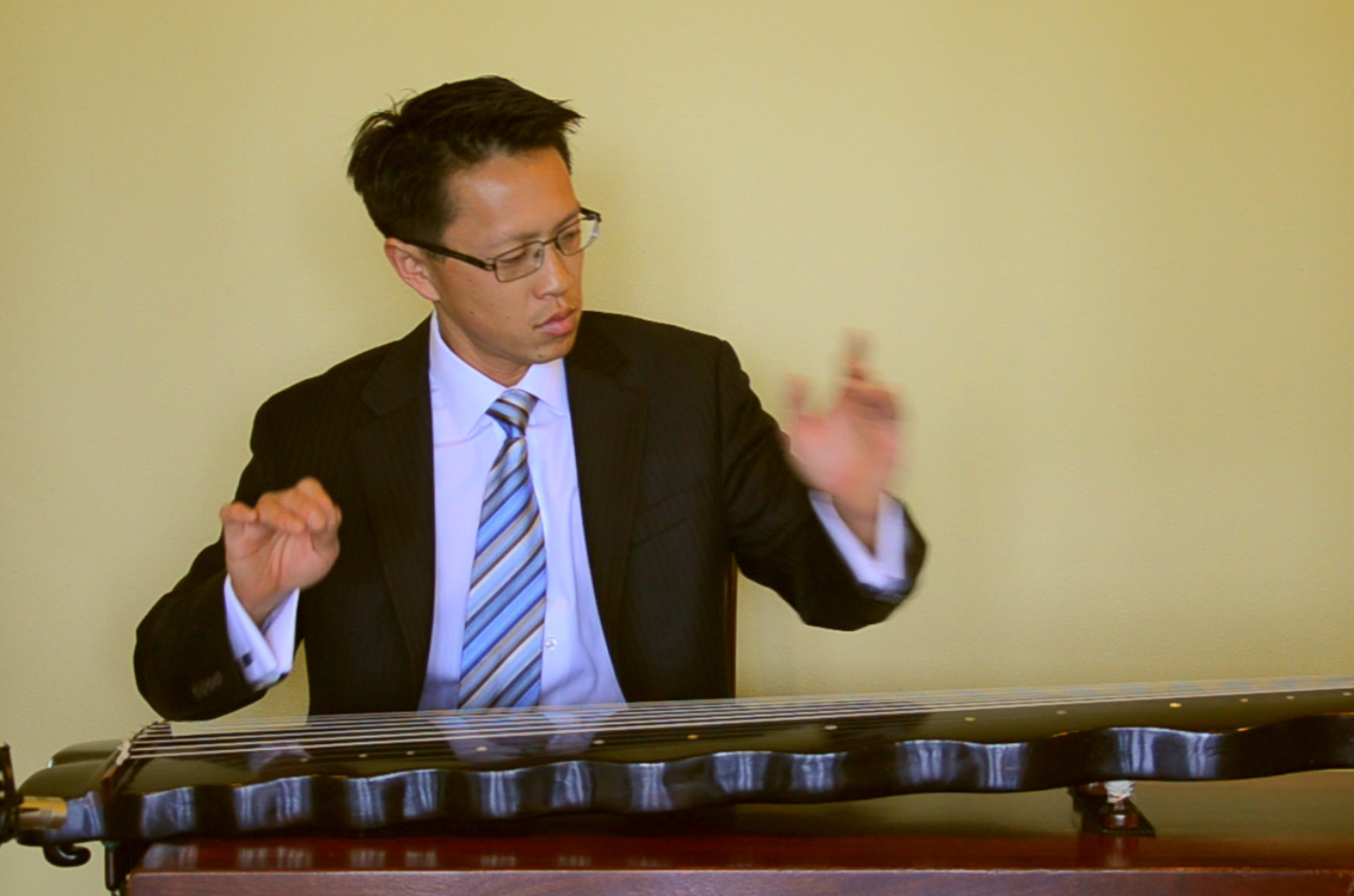
Launched into space in 1977, the Voyager Golden Record, with a rendition of Flowing Waters 流水 by Guan Pinghu 管平湖, flew past Pluto’s orbit, left the edge of our solar system, and entered interstellar space. My teacher, Lui PuiYuen 吕培源, reintroduced me to this piece. While dating to some time in remote antiquity, this rendition,…
-
Three Variations of the Plum Blossom Theme
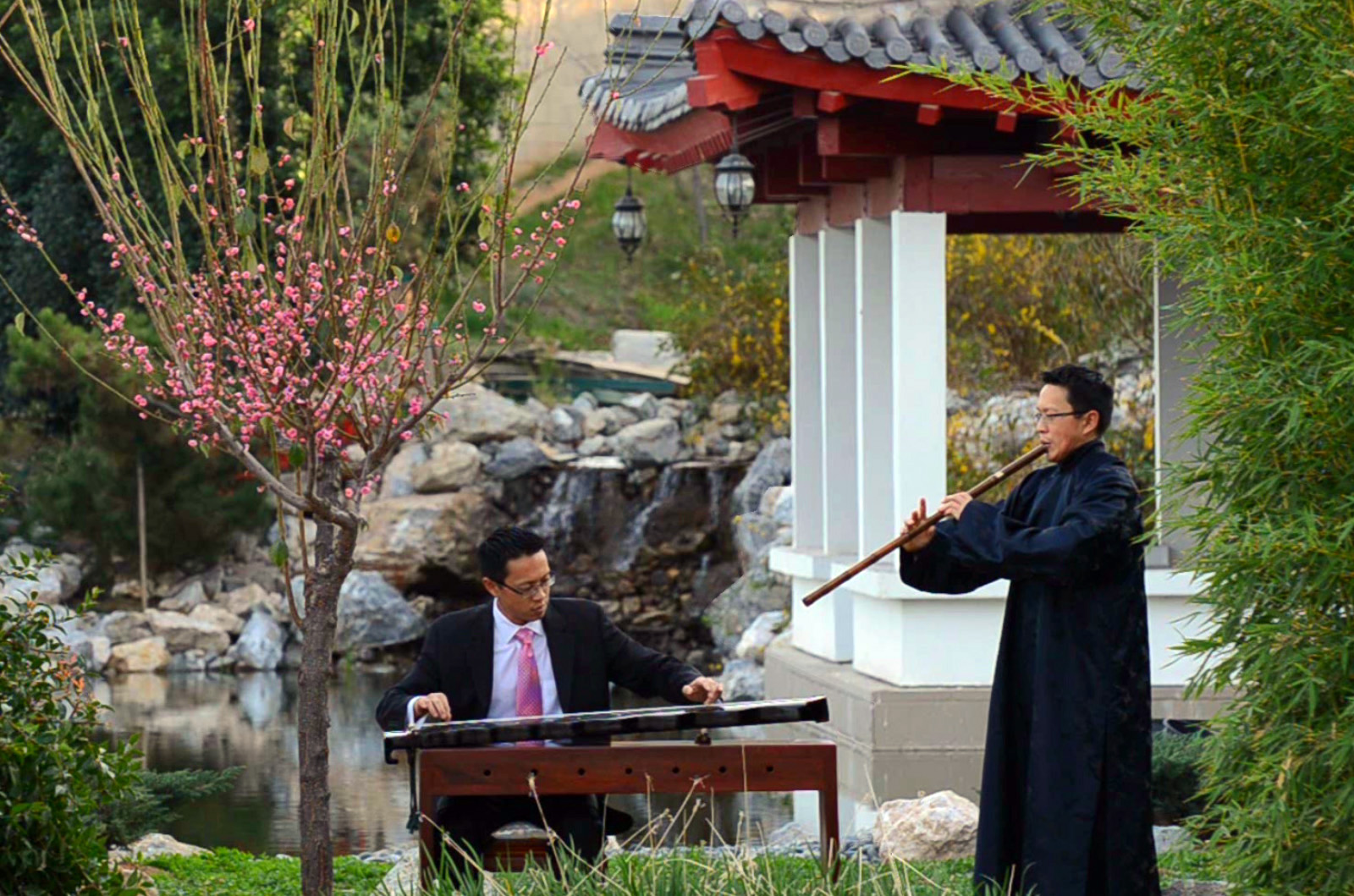
The Chinese plum trees have burst into pink clouds over the past week, putting on a show of fully-double flowers. These blossoms make a perfect accompaniment for this wintry new year season. Over millennia, the plum blossom held captive the Asian imagination. Blooming in winter, it evokes the virtues of fearlessness of the bitter cold…
-
Songs of the Fisherman
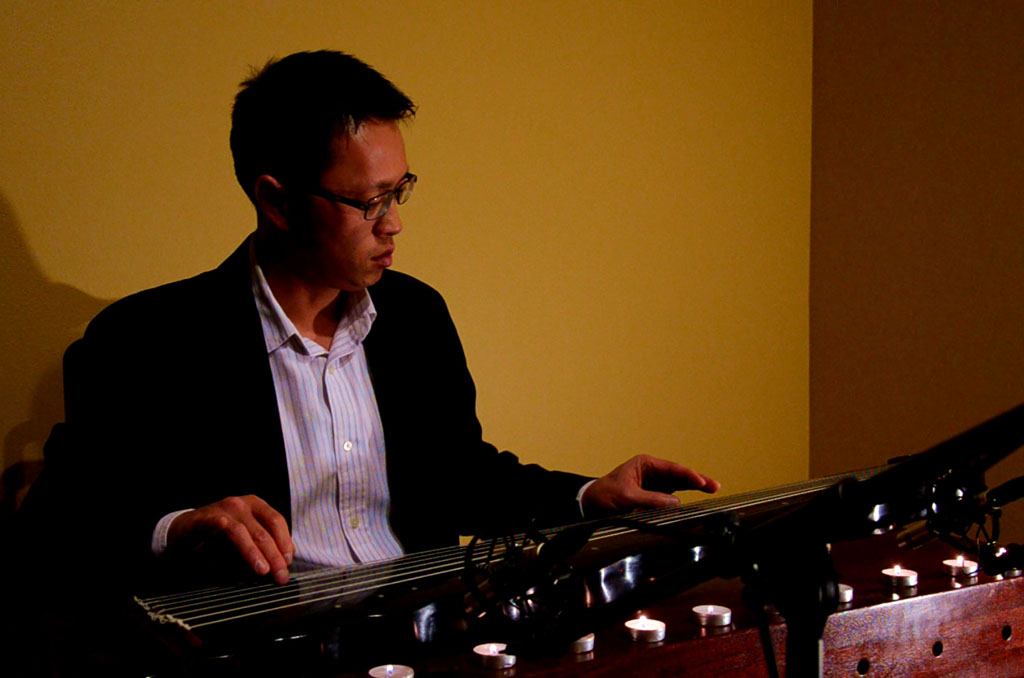
This is the longest piece I’ve learned. Consisting of eighteen sections, Songs of the Fisherman 漁歌, like many other guqin pieces, portray the retreat to an existence that is immersed in the natural rhythm of the universe. The earliest printed version dates to 1546, and the associated original preface depicts Mao Minzhong 毛敏仲 leaving his…
-
Dialogue of the Fisherman and the Woodcutter
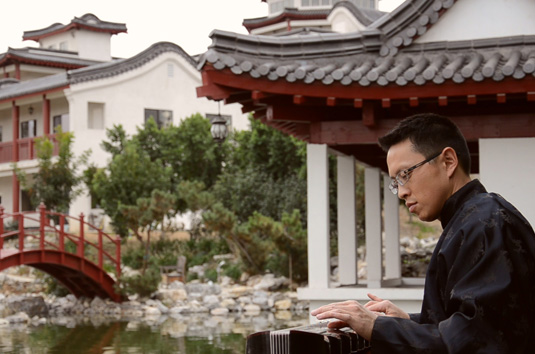
While this melody is quite ancient, even by the time it appeared in print in 1559, Dialogue of the Fisherman and the Woodcutter 漁樵問答 remains a popular tune in today’s guqin repertoire. Two popular motifs are intertwined in this piece. The title clearly underscores Daoist themes—that one gains special knowledge by immersion in nature, in…
-
Flowing Spring of Jade Stream
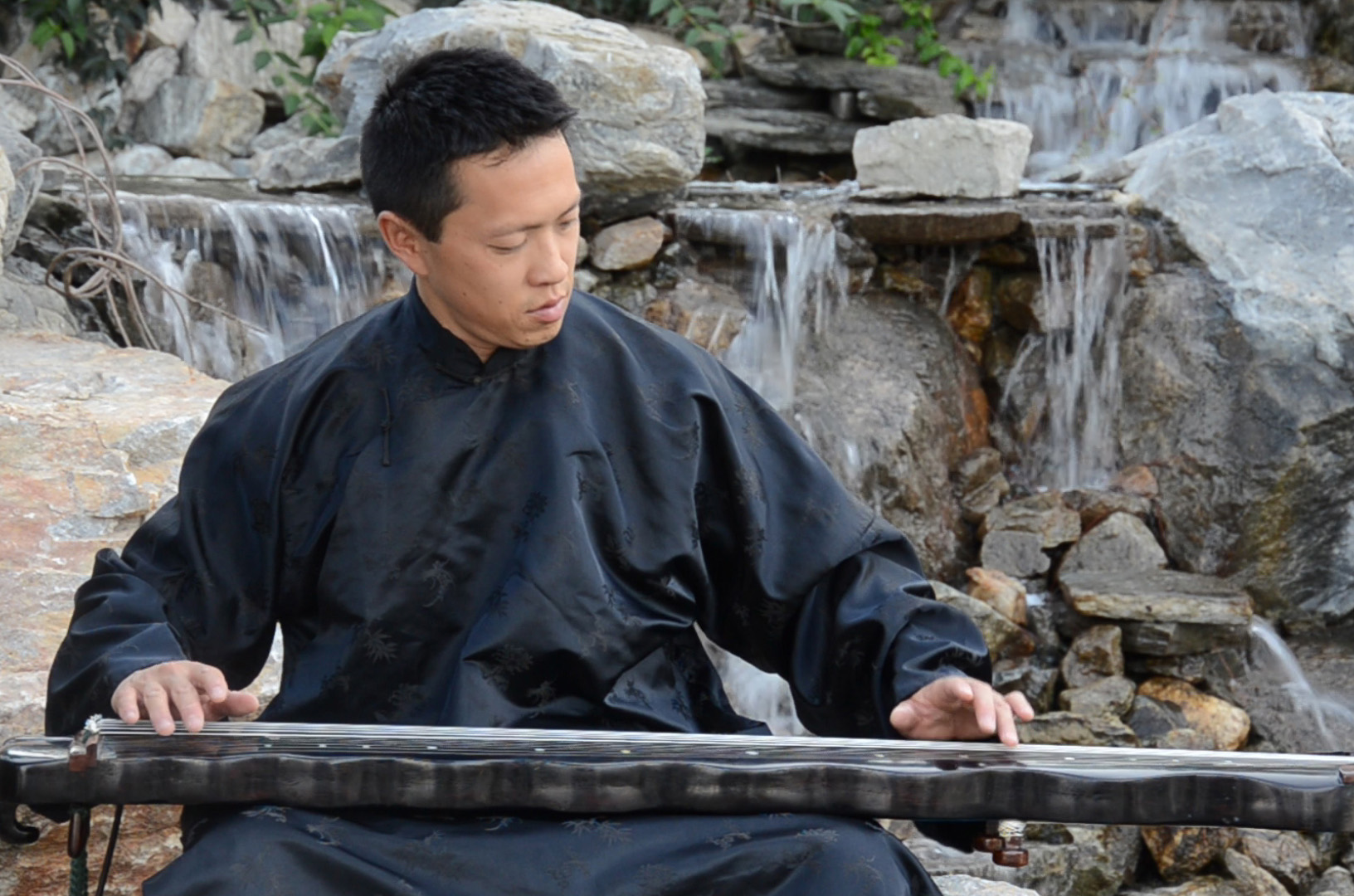
Sitting on a large boulder by the waterfall, I recorded this ancient piece—Flowing Spring of Jade Stream 碧澗流泉. Like many guqin melodies that express motifs from nature, this one is supposed to evoke the mood of a gentle brook cascading over rocks. Normally accustomed to playing on a guqin table, this is my first time…
-
Autumn Meditations at Dongting
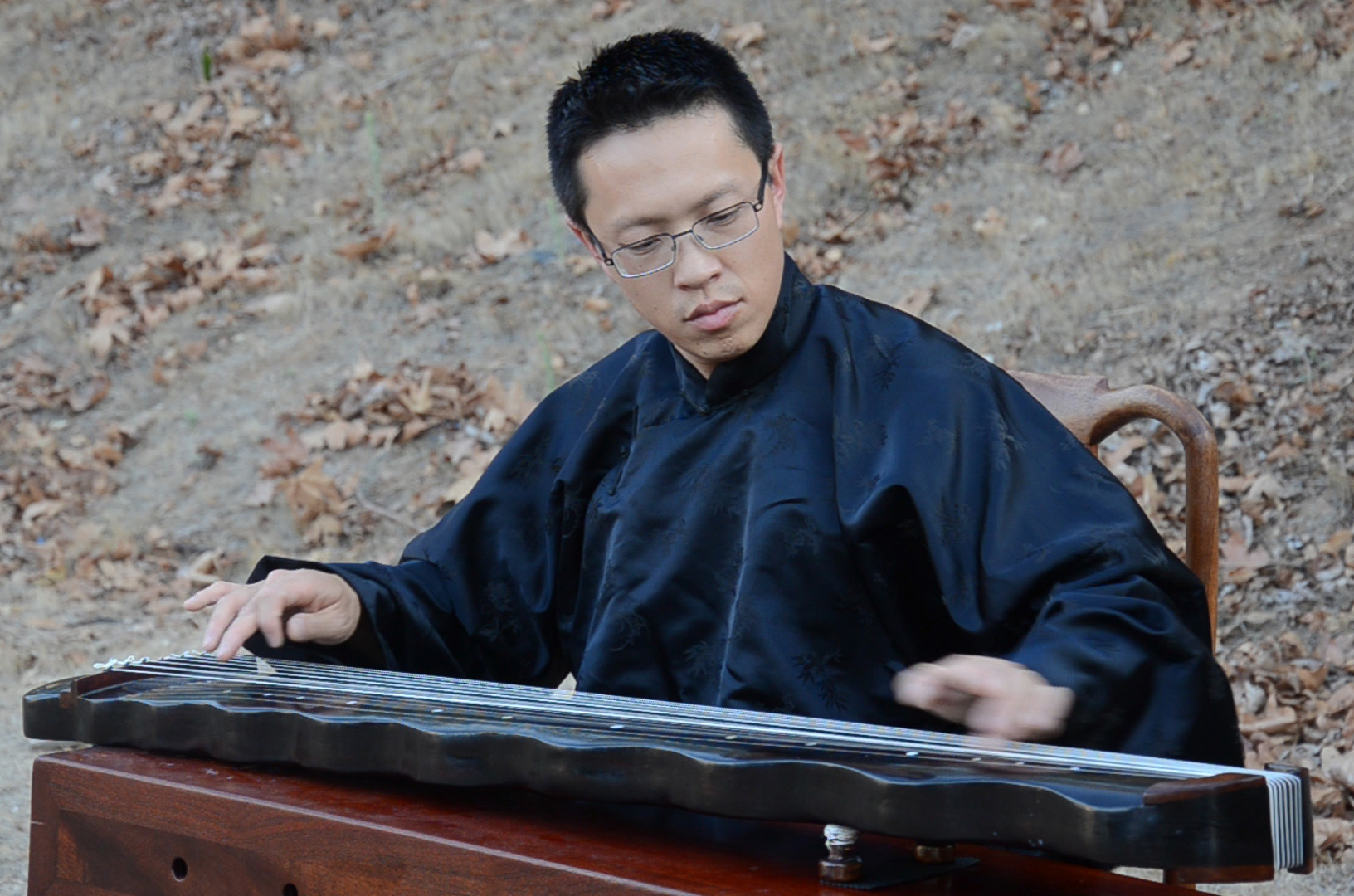
This short melody, dating from 1549, depicts the fall season at Dongting 洞庭湖 in Hunan 湖南 province. This lake basin is fed by four river: the Xiang 湘, Zi 资, Yuan 沅, and Li 澧. The piece is divided into three parts, with the first and last parts in one key, and the middle part…
-
Harmony of God and Men

Long ago, before there was Chinese writing as we know it, before we have the seven-stringed guqin, before the great flooding, a celestial being appeared and warned of the imminent danger. This account is attributed to Emperor Yao 堯 (c. 2300 BC), who received the celestial while he was offering a sacrifice. Being a zither…
-
Firmiana Leaves Dance in the Autumn Breeze

No other tree conjures up as much literary imagination as the Chinese Parasol Tree (Firmiana simplex). According to tradition, it is only the Firmiana that the phoenix chooses to alight upon. The autumn season is closely associated with this tree, whose broad leaves turn to gold and drop, supposedly one leaf each day. Its lightweight…
-
Thinking of an Old Friend

This piece, YiGuRen 憶故人, Thinking of an Old Friend, is a relatively recent composition. Although melodically simple, the tune is layered in complex meaning. It starts out with harmonics that set the mood before delving into the main section. This part begins abruptly, as if with a flutter of emotions that repeat themselves. The elasticity…
-
Tune of the Sea Dragon

This melody has two titles: Tune of the Sea Dragon 滄海龍吟 and Night Rain on the Vast River 滄江夜雨. The former name is more well-known, and it is attributed to the Three Kingdoms strategist, Zhuge Liang 諸葛亮, who is also known as Kongming 孔明 and the Sleeping Dragon 臥龍. Originally a guqin-playing recluse in a…
-
Lament at Changmen Palace
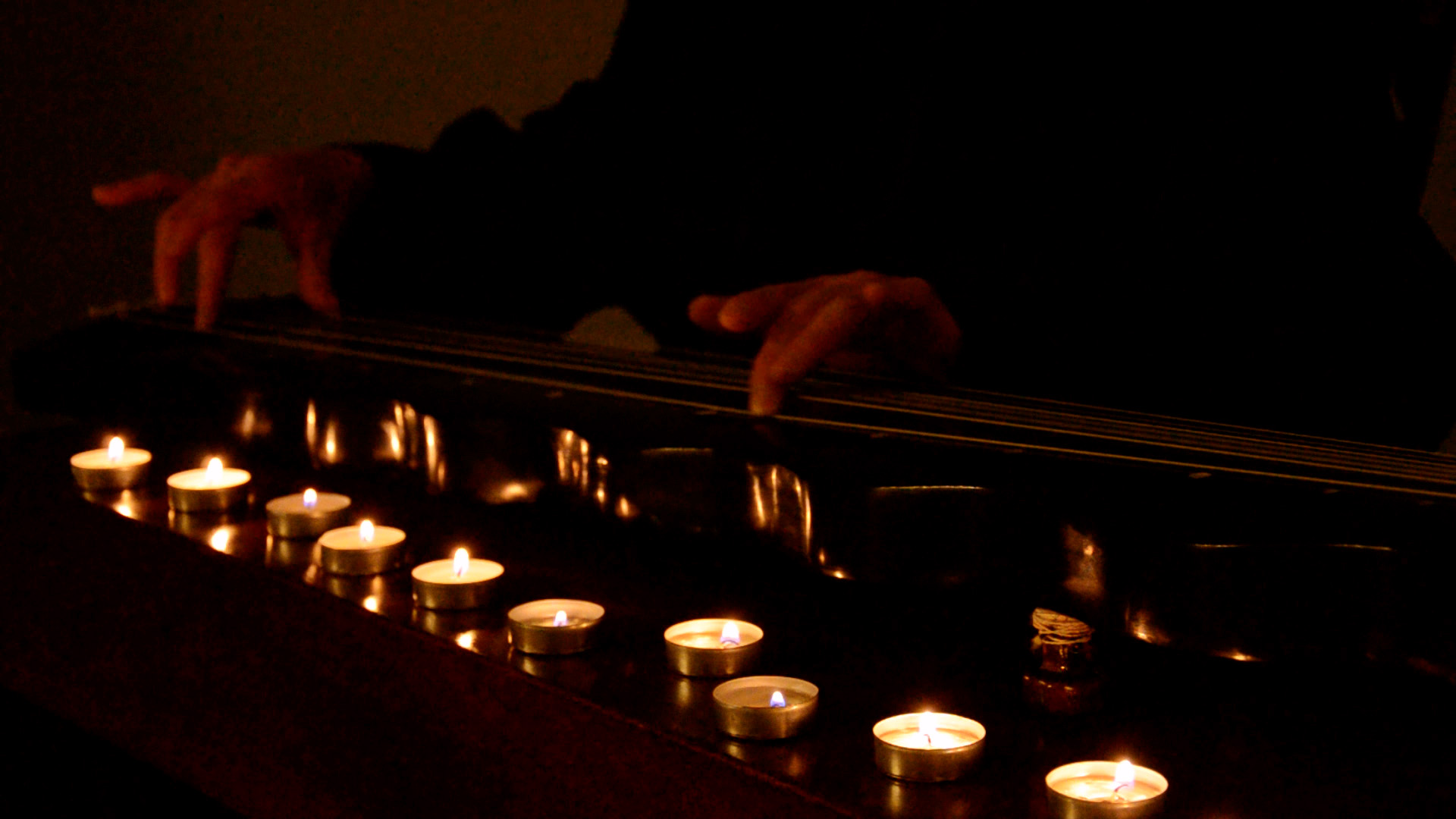
This version of Lament at Changmen Palace 長門怨 is from the Mei’an Guqin Manual 梅庵琴譜 of 1931, but the melody is from centuries earlier. The accompanying story, however, dates from the Han Dynasty. When Liu Che 劉徹 ascended the throne in 141 BC and became Emperor Wu of Han 漢武帝, his cousin wife Chen Jiao…
-
Moon over the Mountain Pass
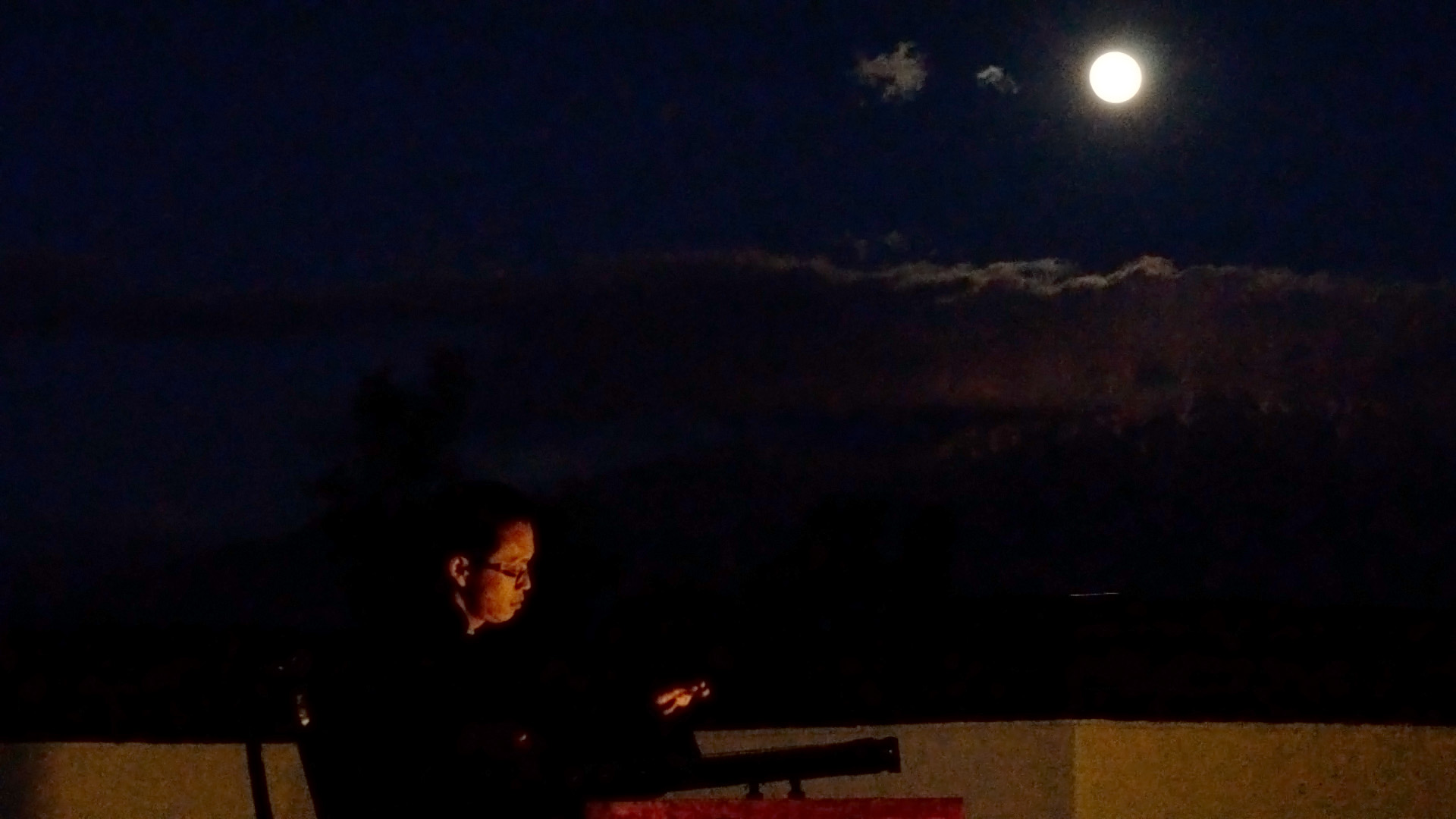
This piece from the MeiAn School 梅庵琴派, Moon over the Mountain Pass 關山月, alludes to the poem by Li Bai 李白 with the same title. This recording was made a few hours before the actual full moon, capturing its rise from behind San Bernardino Peak. 明月出天山,蒼茫雲海間。 長風幾萬里,吹度玉門關。 漢下白登道,胡窥青海灣。 由來征戰地,不見有人還。 戍客望邊邑,思歸多苦顏。 高樓當此夜,嘆息未應閒。 My translation: The bright…
-
Wild Geese Descending on Sandbanks
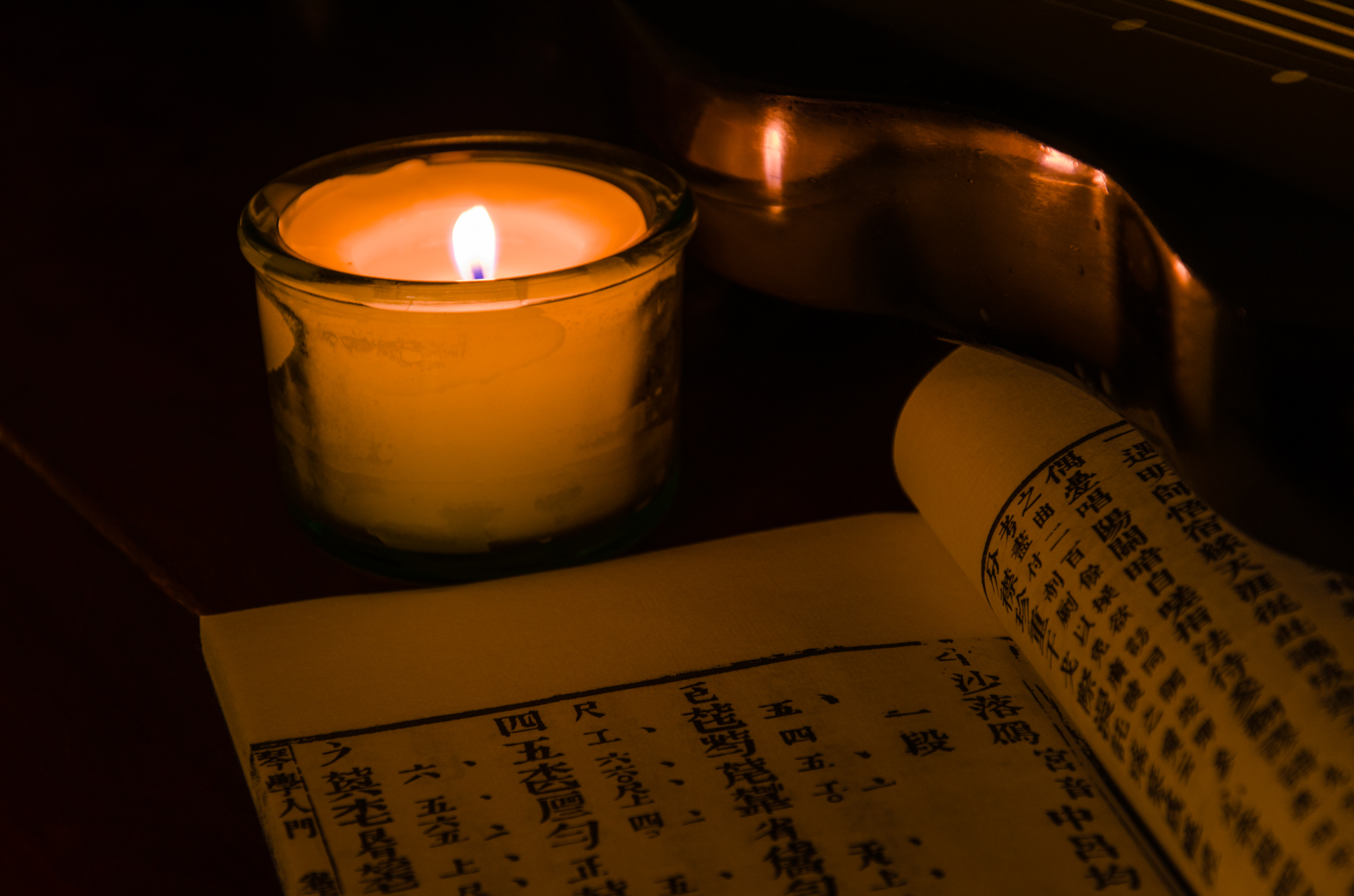
First published in 1634, the piece, Wild Geese Descending on Sandbanks 平沙落雁, became widely popular in subsequent centuries, existing in many variations and tunings. The music opens with an introduction of harmonic octaves partial scales, evoking the imagery of geese lining up, perhaps flying in formation through distant clouds. The subsequent sections are three parallel…
-
Tenth Guqin Lesson

At my tenth lesson, my teacher gave me this piece to learn. It is the slightly shortened version of Pu’an Zhou 普庵咒. Apparently, the full version is extremely repetitious. As it is, this is the longest piece that I’ve played. The earliest form was published in 1592 and later printed in many guqin handbooks. The…
-
Summoning the Wind and Thunder

Like my most recent pieces, this composition, Summoning the Wind and Thunder 風雷引, is from the collection of the Mei’an guqin handbook 梅庵琴譜 and uses the lowered third string tuning. As with most pieces of the Mei’an tradition of briskly paced rhythm, this song employs unison and octave chords to reinforce fundamental frequencies. In the…
-
Autumn Evening Moorings
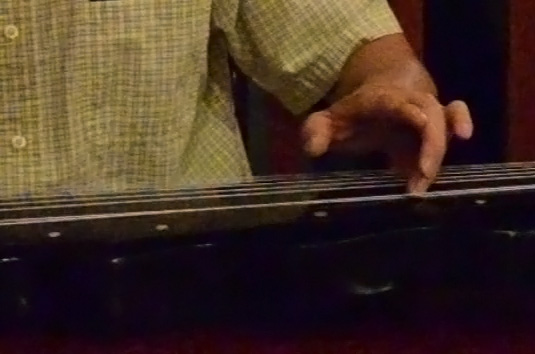
Also in the Shang tuning mode 商調 and from the Mei’an handbook 梅庵琴譜, this piece, Autumn Evening Moorings 秋江夜泊, is a tonal painting depicting Su Dongpo’s 蘇東坡 (1037–1101) poem of the Red Cliffs 前赤壁賦. The site was where he thought the famous battle took place in the winter of AD 208–209. It was autumn of…
-
The Phoenix Seeks His Mate
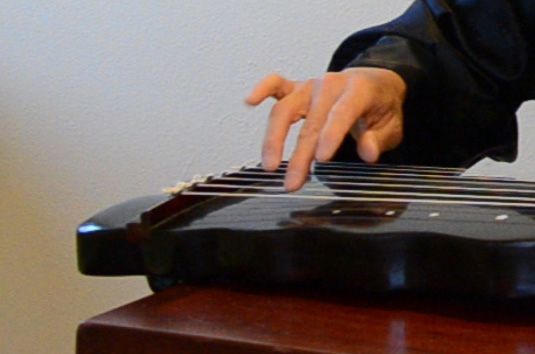
This next piece, The Phoenix Seeks His Mate 鳳求凰, is an introduction to playing in the Shang tuning mode 商調 and is of the Mei’an school of guqin playing 梅庵琴派. The story of this song is about the poet Sima Xiangru 司馬相如 (179–113 BC) as recorded in the Shi Ji 史記. During an evening gathering at…
-
Spring Dawn at the Jade Tower
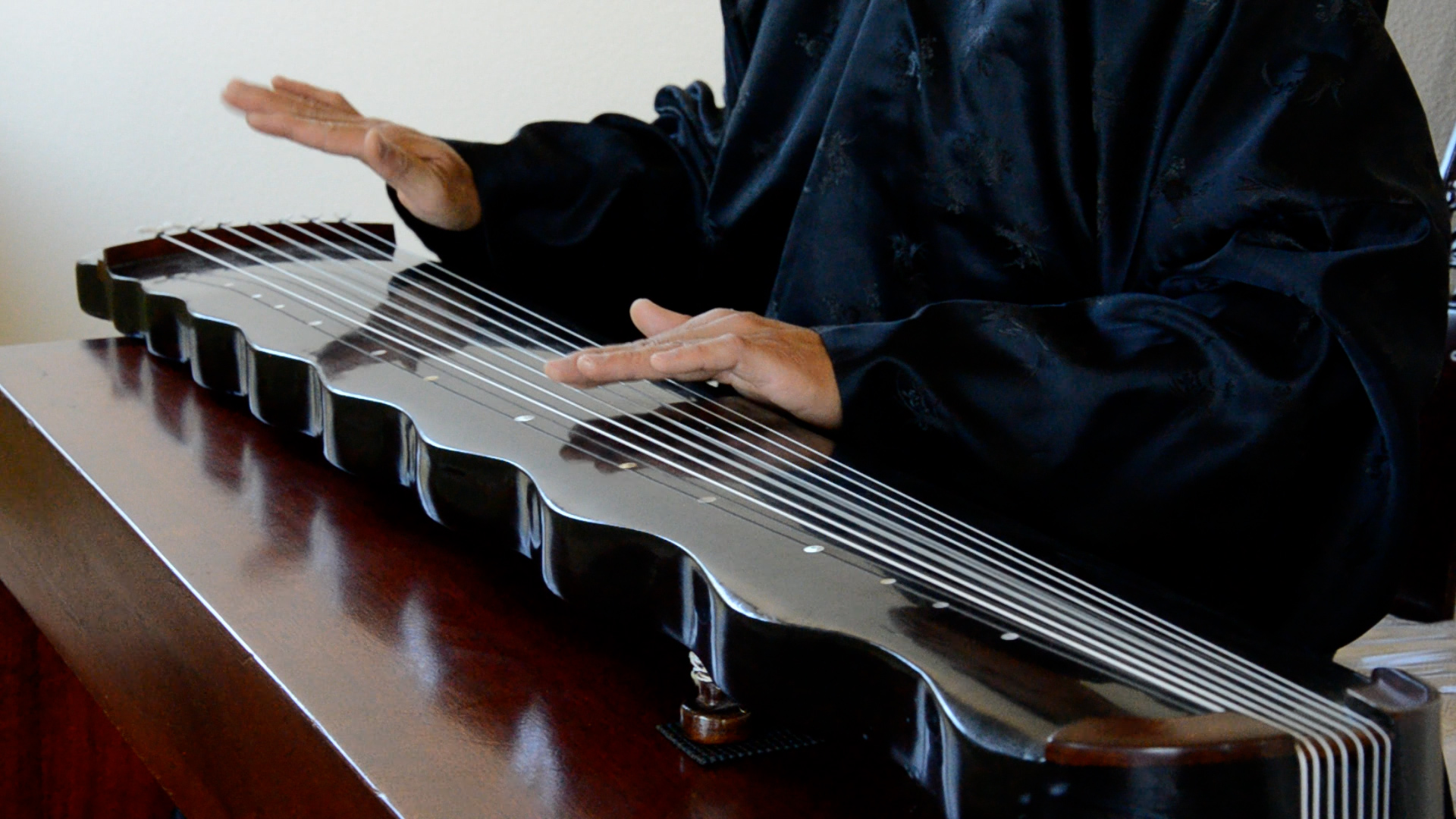
Like the two previous pieces, Tune of Utmost Joy and Three Repetitions at Yang Pass, Spring Dawn at the Jade Tower 玉樓春曉 is based on the RuiBin 蕤賓 tuning mode. The origin is from the MeiAn school of guqin playing 梅庵琴派, which is part of my teacher’s tradition. The tune employs numerous plucked unisons and…
-
Three Repetitions at Yang Pass

One of my favorite melodies, Three Repetitions at Yang Pass 陽關三疊 captures the essence of the poem by Wang Wei 王維. His work, titled Seeing Yuan Er Off to Anxi 送元二使安西, depicts two friends about to part ways: one staying within what was then civilized China, and the other leaving on an administrative post to…
-
Tune of Utmost Joy

It seems ironic that this song—Tune of Utmost Joy 極樂吟—sounds the most melancholy as set in a minor key. It isn’t truly in a minor key, but the guqin is tuned to the RuiBin 蕤賓 mode, where the fifth string is tightened a half step. In the modern tuning tradition, this changes the instrument from…
-
Wine Madness
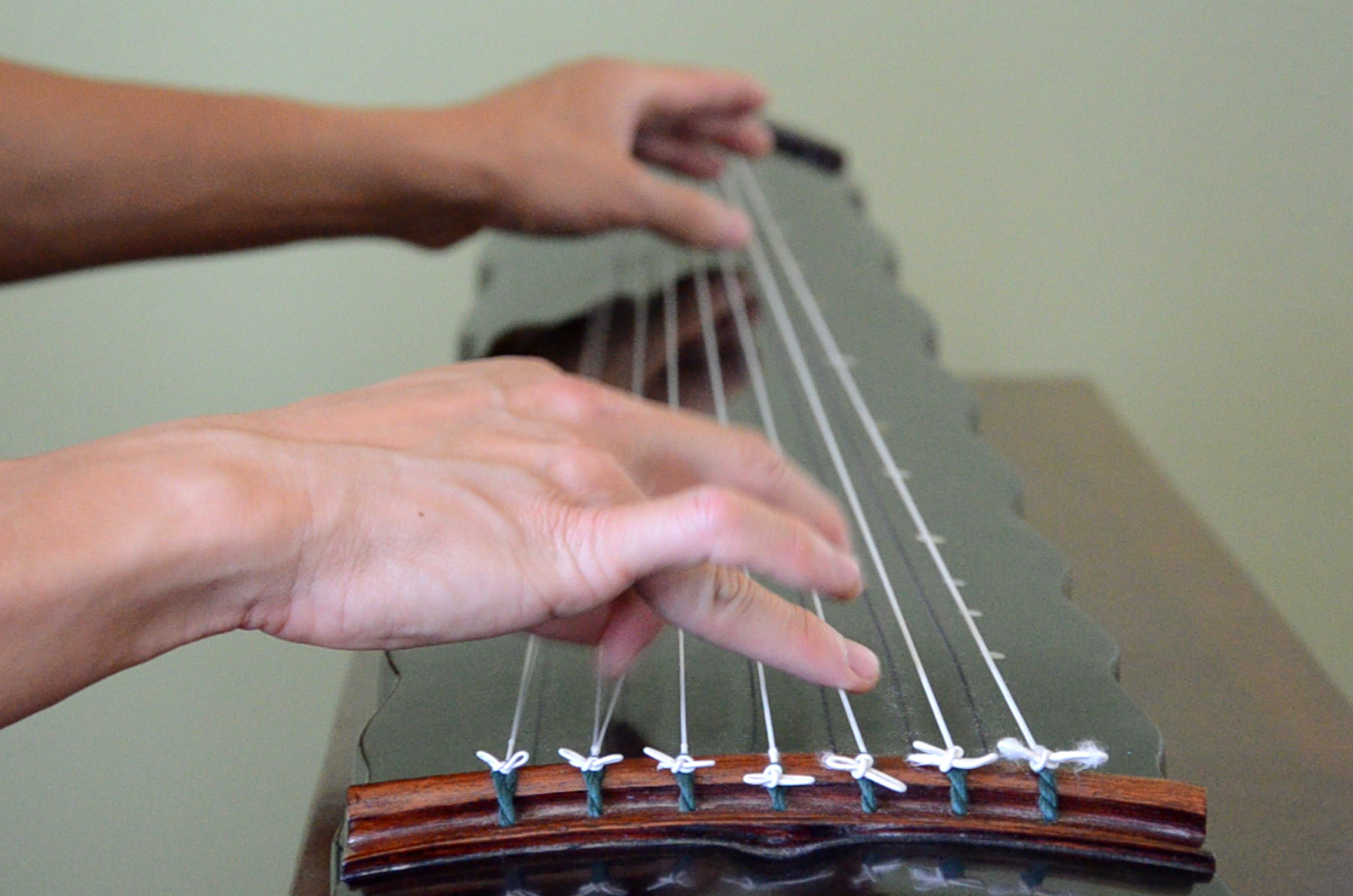
While this is one of the most ancient of guqin tunes, it is also one of the most popular in today’s repertoire. Wine Madness 酒狂 dates from the third century and is attributed to the poet Ruan Ji 阮籍, who was one of the seven sages of Bamboo Grove. His father, Ruan Yu 阮瑀, studied…
-
Prelude to a Serene Evening
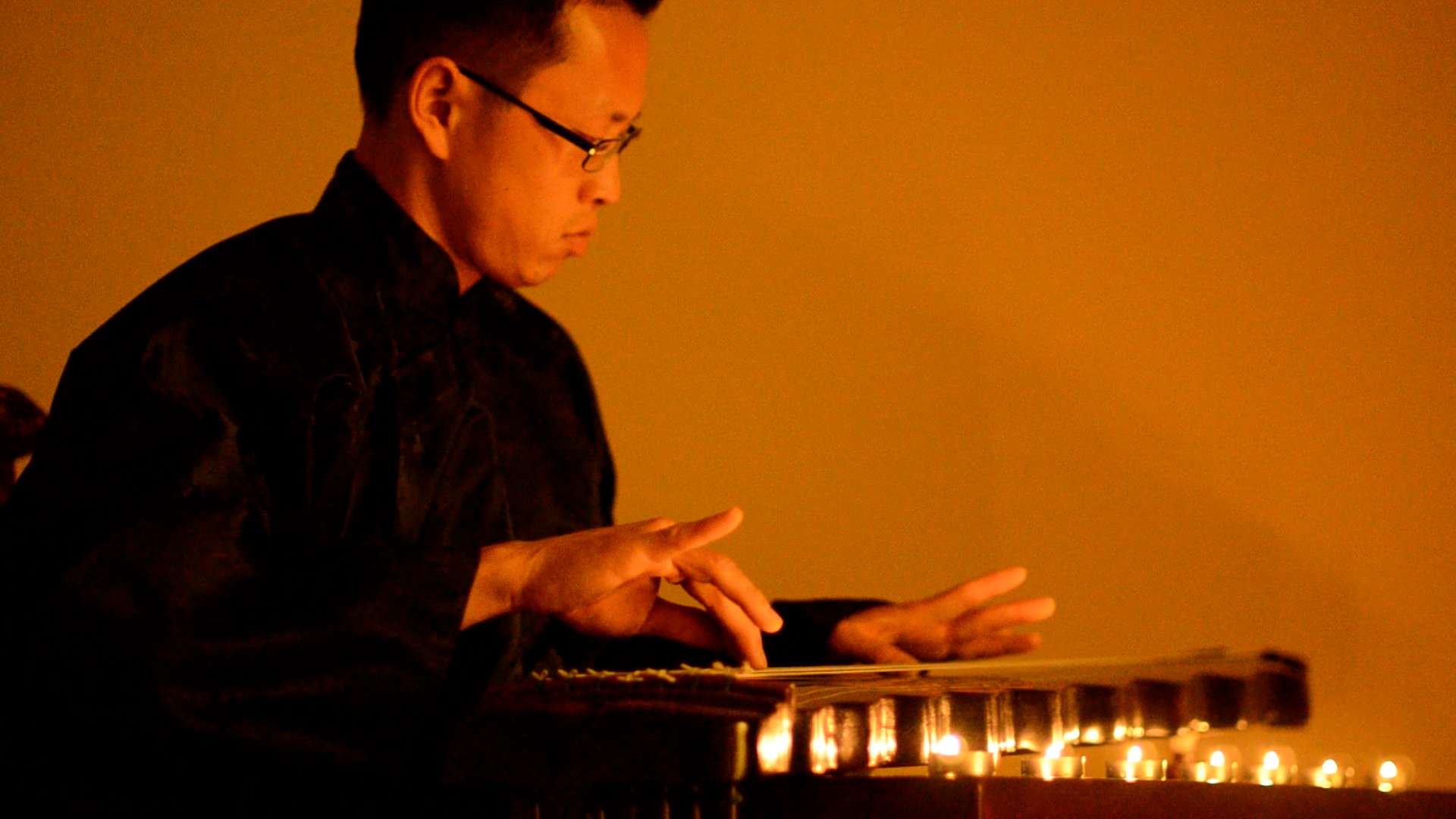
The melody to Prelude to a Serene Evening 良宵引 dates to 1614. The piece is divided into three sections. The first 起, beginning with harmonics, is introductory. The second section consists of two parts—承 embarkment and 轉 transition—characterized by unison series, one note of the pair sounding as a pure tone from the open string,…