
Tag: 古琴
-
The Boatmen’s Song
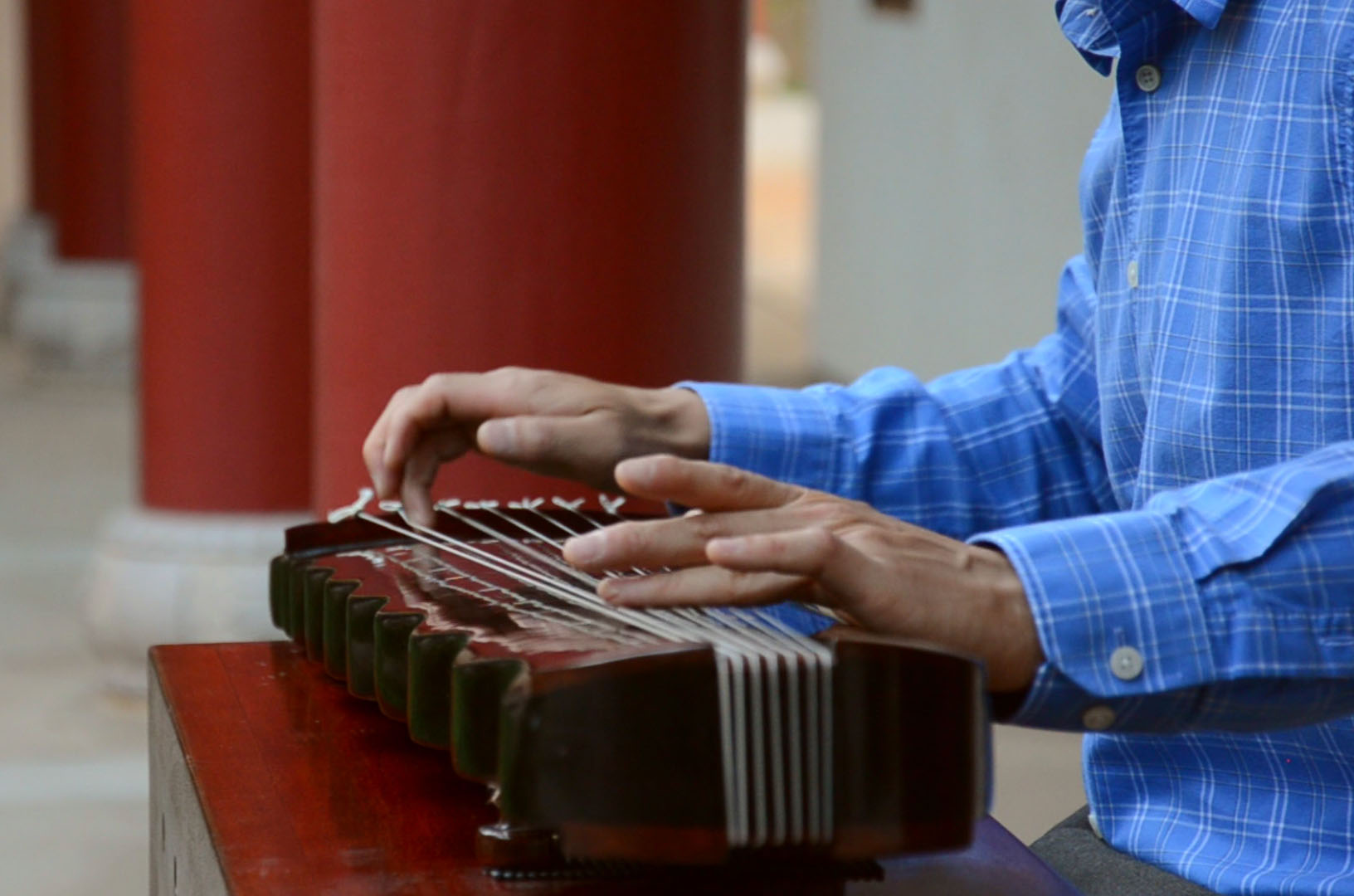
The term “Ao Ai” 《欸乃》 originally appeared during the Tang Dynasty, in a poem by Yuan Jie 元結. As a guqin melody, however, this piece traces to 1549. Also known as the “Northern Fishermen’s Song” 《北漁歌》, the more well-known title “Ao Ai” is an onomatopoeia—it’s melody was written to conjure up sounds of oars and…
-
Goodbye, ’Ma

My grandma comfortably passed away four days ago at the age of 90. The guqin piece, Evening Call of the Raven 烏夜啼, is dedicated in her memory. * * * * * ’Ma was born April 19, 1924, the sixteenth day of the third lunar month, year of the Rat 甲子年三月十六, to my great grandparents—Chua…
-
Evening Call of the Raven
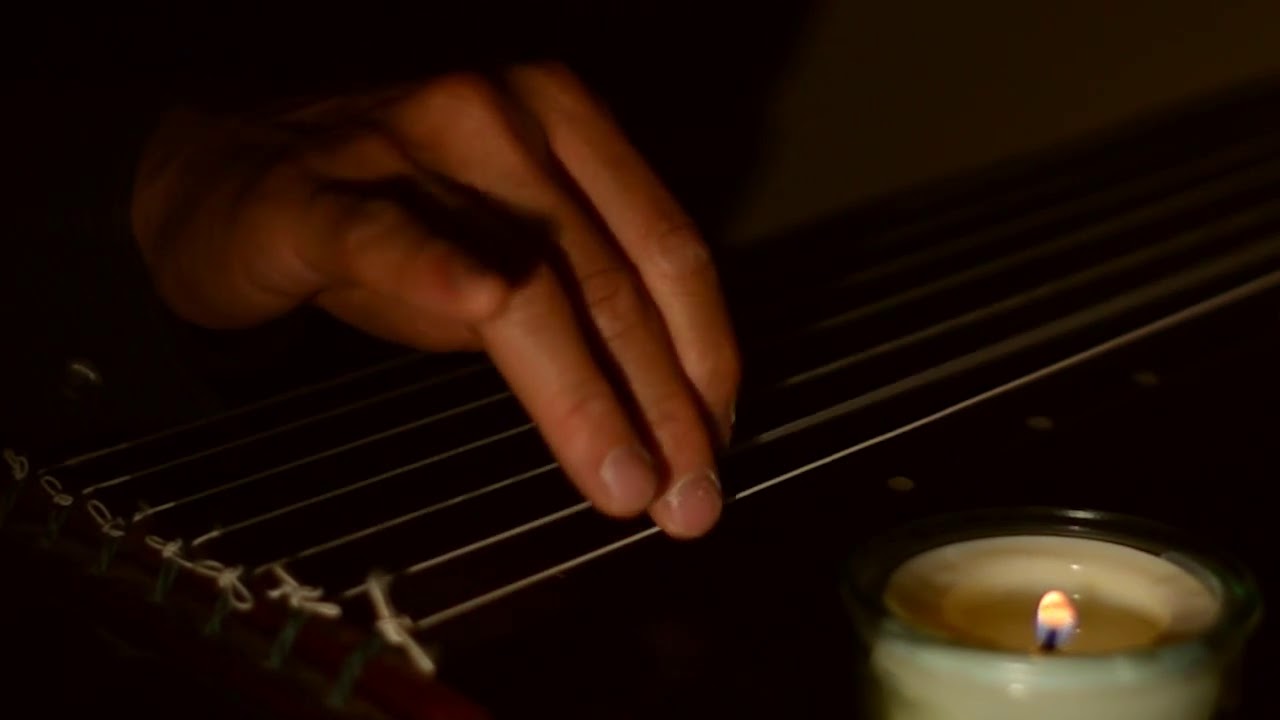
At night, the raven’s call, often thought to be a bad omen, was considered lucky in Chinese literature associated with this piece. The melody is attributed to a Liu Song Dynasty prince, Liu YiQing 劉義慶 (403-444). In the year 440, Liu YiKang 劉義康 (409-451), Regional Inspector of Jiangzhou, was banished by Emperor Wen 宋文帝 (407-453)…
-
Flowing Waters

Launched into space in 1977, the Voyager Golden Record, with a rendition of Flowing Waters 流水 by Guan Pinghu 管平湖, flew past Pluto’s orbit, left the edge of our solar system, and entered interstellar space. My teacher, Lui PuiYuen 吕培源, reintroduced me to this piece. While dating to some time in remote antiquity, this rendition,…
-
Three Variations of the Plum Blossom Theme
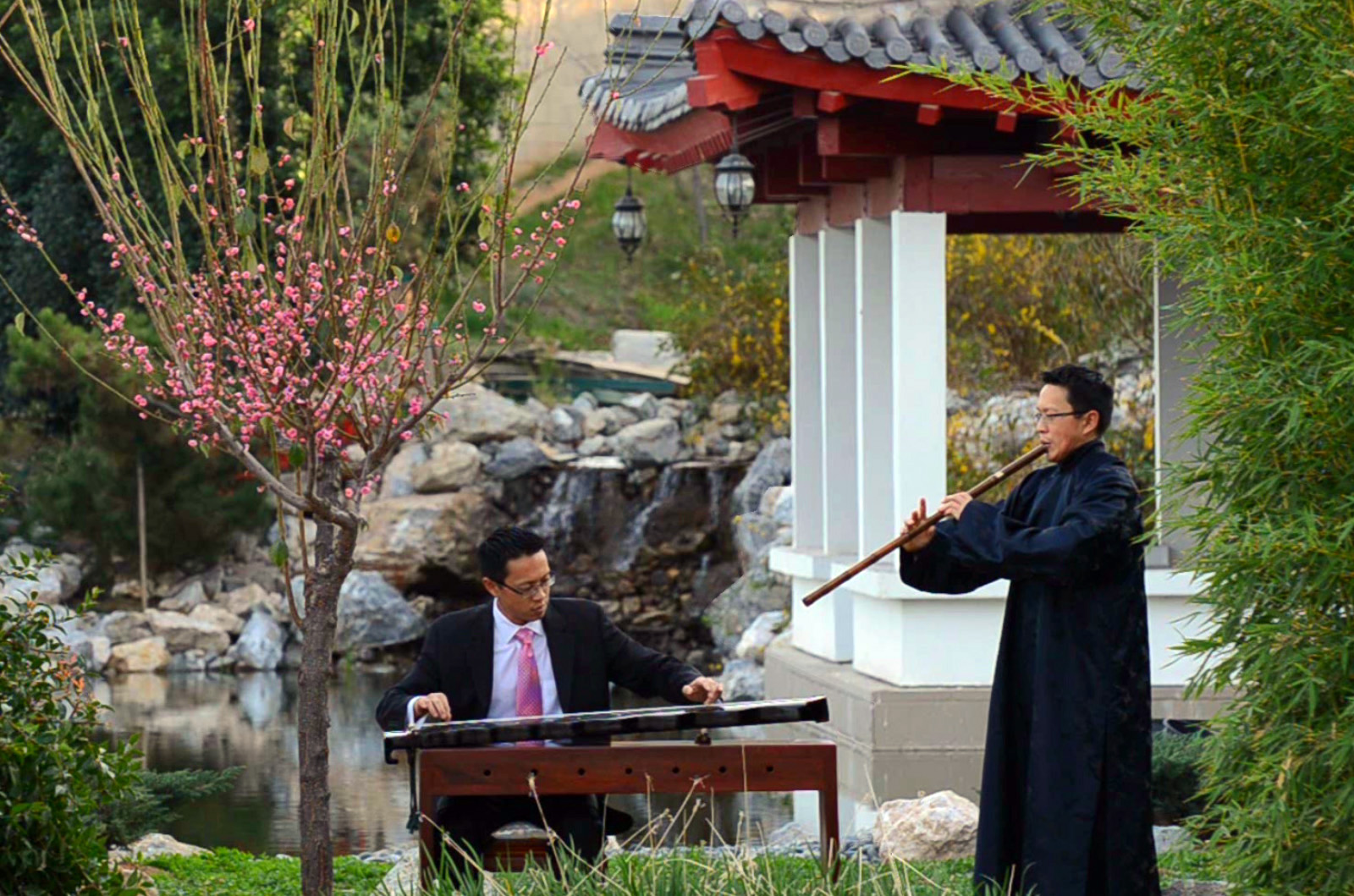
The Chinese plum trees have burst into pink clouds over the past week, putting on a show of fully-double flowers. These blossoms make a perfect accompaniment for this wintry new year season. Over millennia, the plum blossom held captive the Asian imagination. Blooming in winter, it evokes the virtues of fearlessness of the bitter cold…
-
Songs of the Fisherman
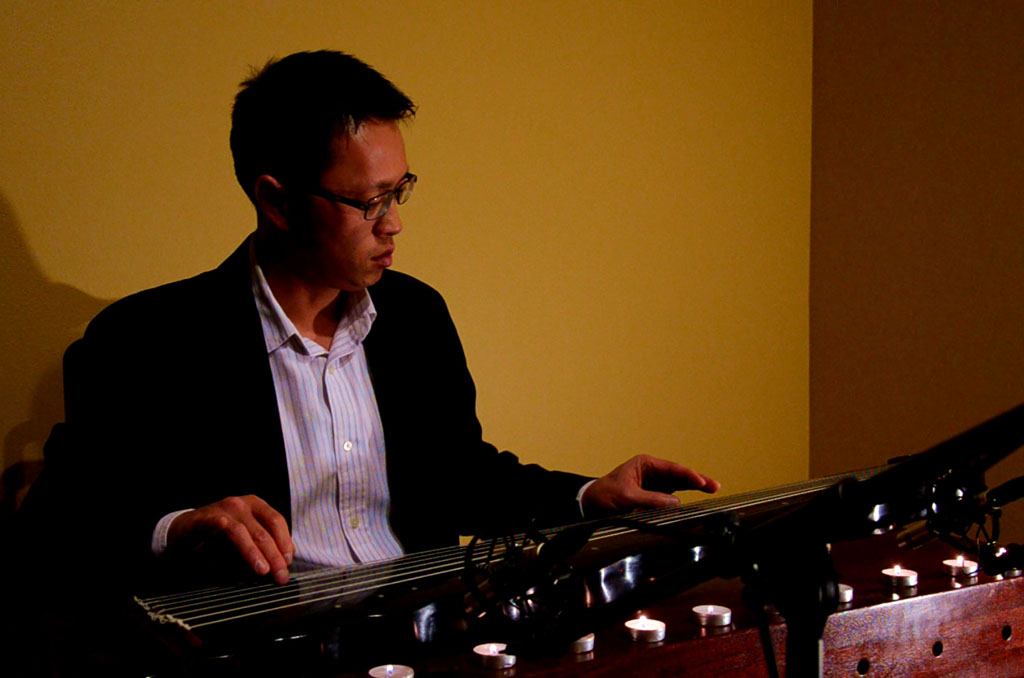
This is the longest piece I’ve learned. Consisting of eighteen sections, Songs of the Fisherman 漁歌, like many other guqin pieces, portray the retreat to an existence that is immersed in the natural rhythm of the universe. The earliest printed version dates to 1546, and the associated original preface depicts Mao Minzhong 毛敏仲 leaving his…
-
Dialogue of the Fisherman and the Woodcutter
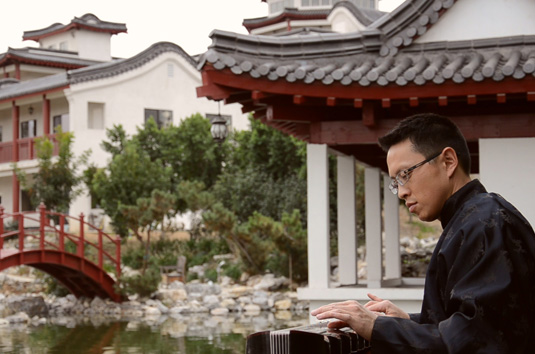
While this melody is quite ancient, even by the time it appeared in print in 1559, Dialogue of the Fisherman and the Woodcutter 漁樵問答 remains a popular tune in today’s guqin repertoire. Two popular motifs are intertwined in this piece. The title clearly underscores Daoist themes—that one gains special knowledge by immersion in nature, in…
-
Flowing Spring of Jade Stream
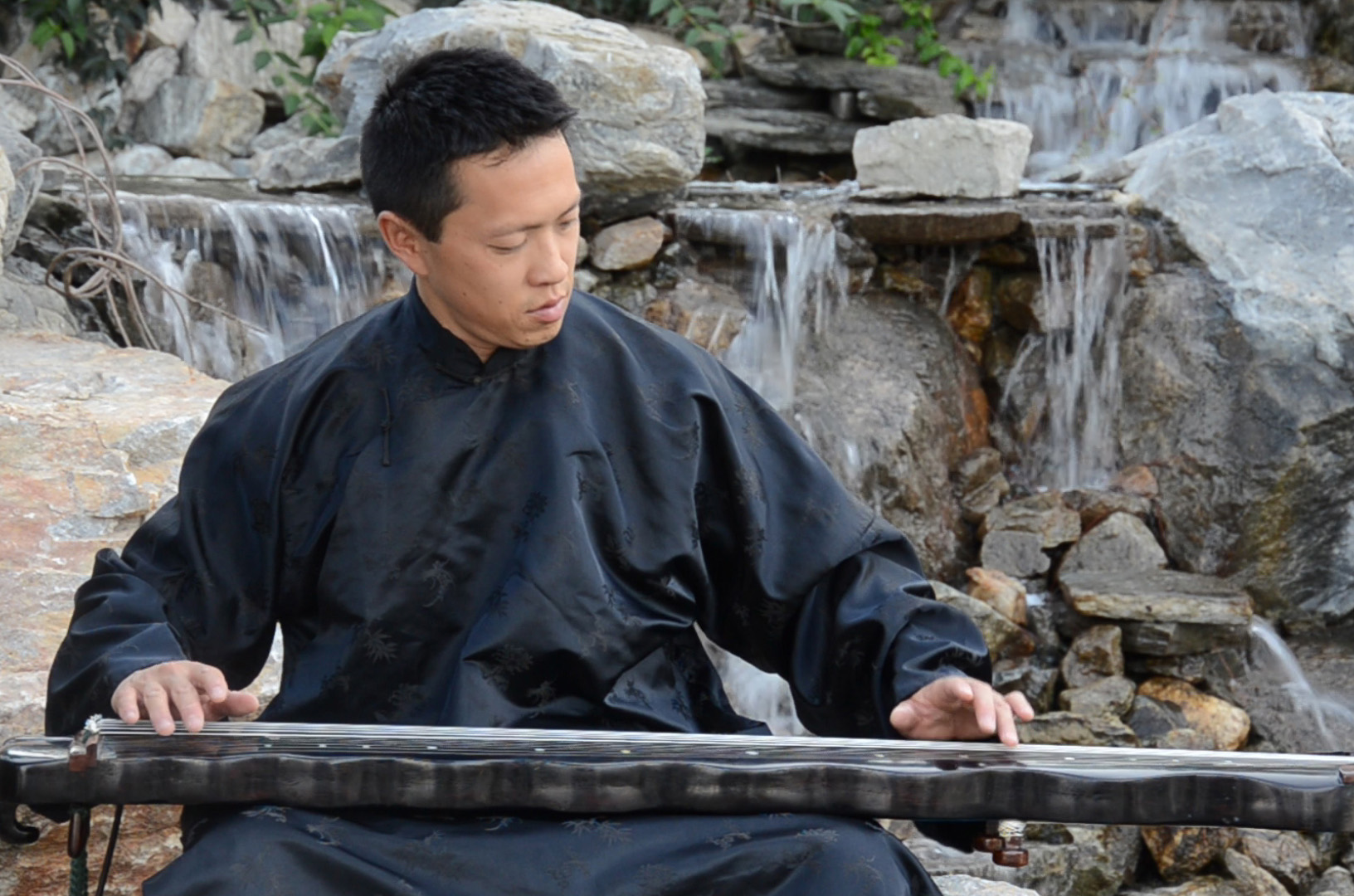
Sitting on a large boulder by the waterfall, I recorded this ancient piece—Flowing Spring of Jade Stream 碧澗流泉. Like many guqin melodies that express motifs from nature, this one is supposed to evoke the mood of a gentle brook cascading over rocks. Normally accustomed to playing on a guqin table, this is my first time…
-
Autumn Meditations at Dongting
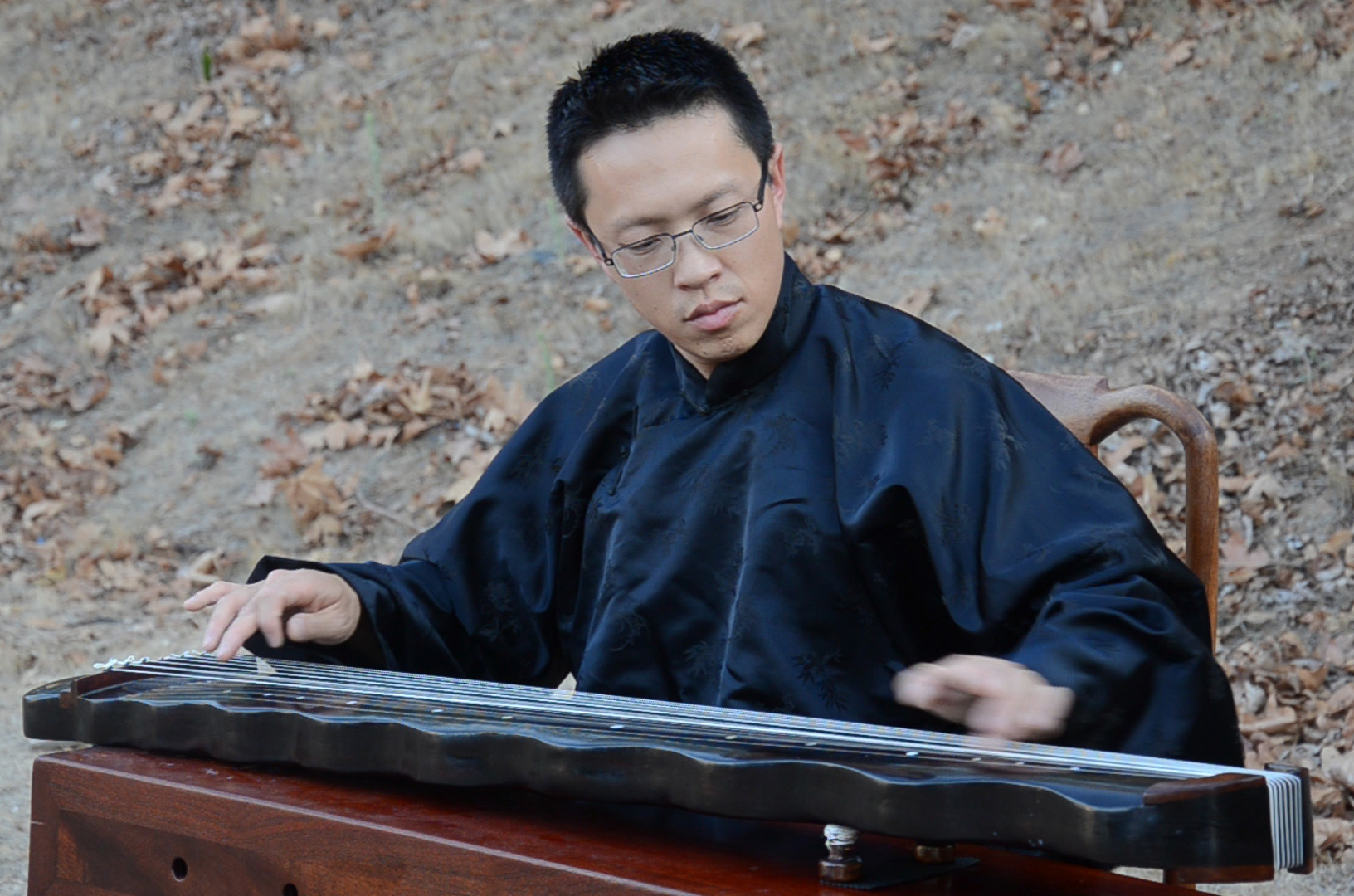
This short melody, dating from 1549, depicts the fall season at Dongting 洞庭湖 in Hunan 湖南 province. This lake basin is fed by four river: the Xiang 湘, Zi 资, Yuan 沅, and Li 澧. The piece is divided into three parts, with the first and last parts in one key, and the middle part…
-
Harmony of God and Men

Long ago, before there was Chinese writing as we know it, before we have the seven-stringed guqin, before the great flooding, a celestial being appeared and warned of the imminent danger. This account is attributed to Emperor Yao 堯 (c. 2300 BC), who received the celestial while he was offering a sacrifice. Being a zither…
-
Firmiana Leaves Dance in the Autumn Breeze

No other tree conjures up as much literary imagination as the Chinese Parasol Tree (Firmiana simplex). According to tradition, it is only the Firmiana that the phoenix chooses to alight upon. The autumn season is closely associated with this tree, whose broad leaves turn to gold and drop, supposedly one leaf each day. Its lightweight…
-
Thinking of an Old Friend

This piece, YiGuRen 憶故人, Thinking of an Old Friend, is a relatively recent composition. Although melodically simple, the tune is layered in complex meaning. It starts out with harmonics that set the mood before delving into the main section. This part begins abruptly, as if with a flutter of emotions that repeat themselves. The elasticity…
-
Lament at Changmen Palace
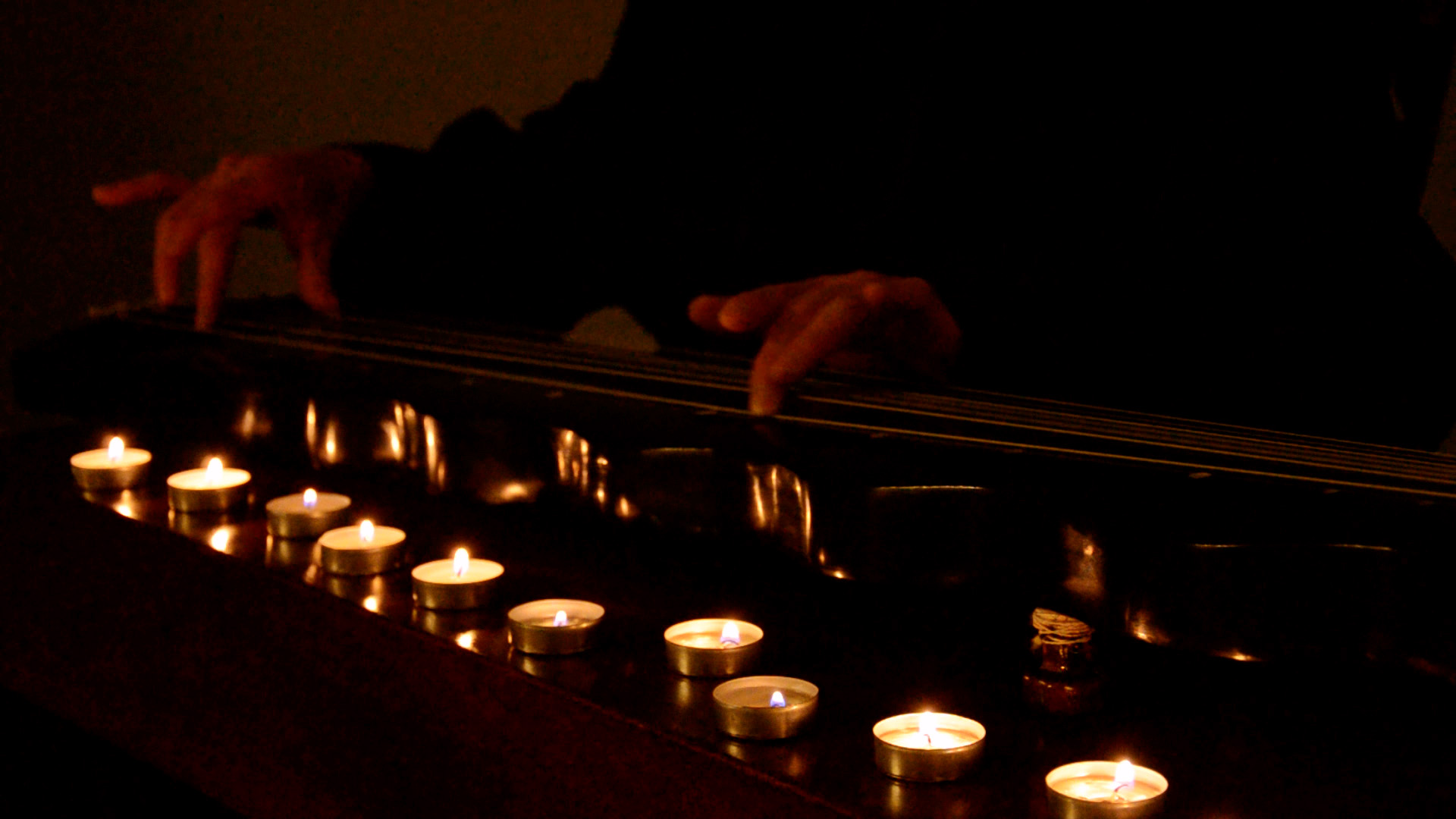
This version of Lament at Changmen Palace 長門怨 is from the Mei’an Guqin Manual 梅庵琴譜 of 1931, but the melody is from centuries earlier. The accompanying story, however, dates from the Han Dynasty. When Liu Che 劉徹 ascended the throne in 141 BC and became Emperor Wu of Han 漢武帝, his cousin wife Chen Jiao…
-
Wild Geese Descending on Sandbanks

First published in 1634, the piece, Wild Geese Descending on Sandbanks 平沙落雁, became widely popular in subsequent centuries, existing in many variations and tunings. The music opens with an introduction of harmonic octaves partial scales, evoking the imagery of geese lining up, perhaps flying in formation through distant clouds. The subsequent sections are three parallel…
-
Second Lesson Pieces
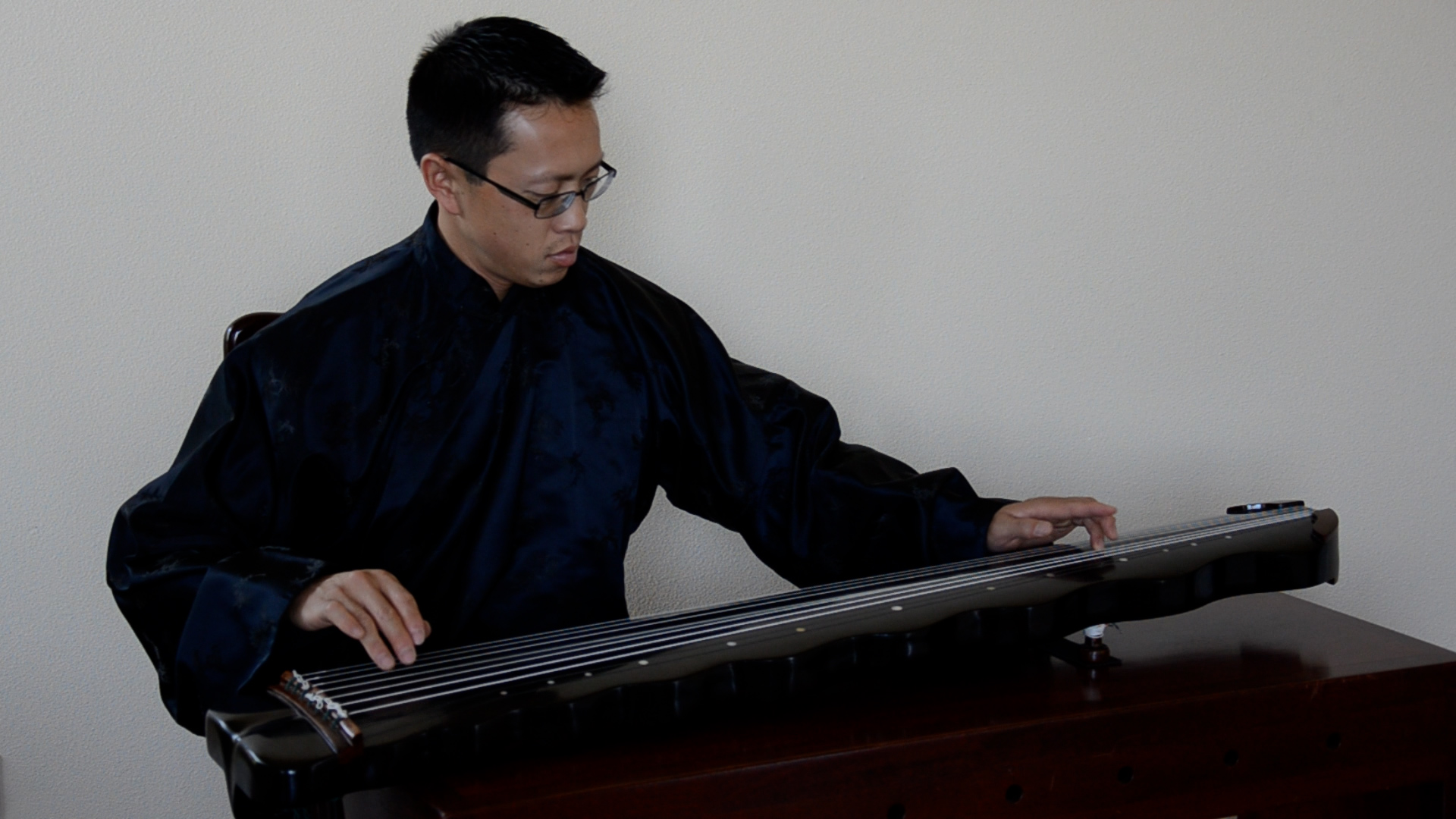
In my second lesson with Lui Laoshi on April 29, 2012, he gave me two more pieces. The first piece is 古琴吟, also known as 相思曲, which is supposed to allow practice of accurate finger sliding positions for the left hand. The ethereal harmonics at the beginning and end of the song calls up the…
-
First Guqin Lesson
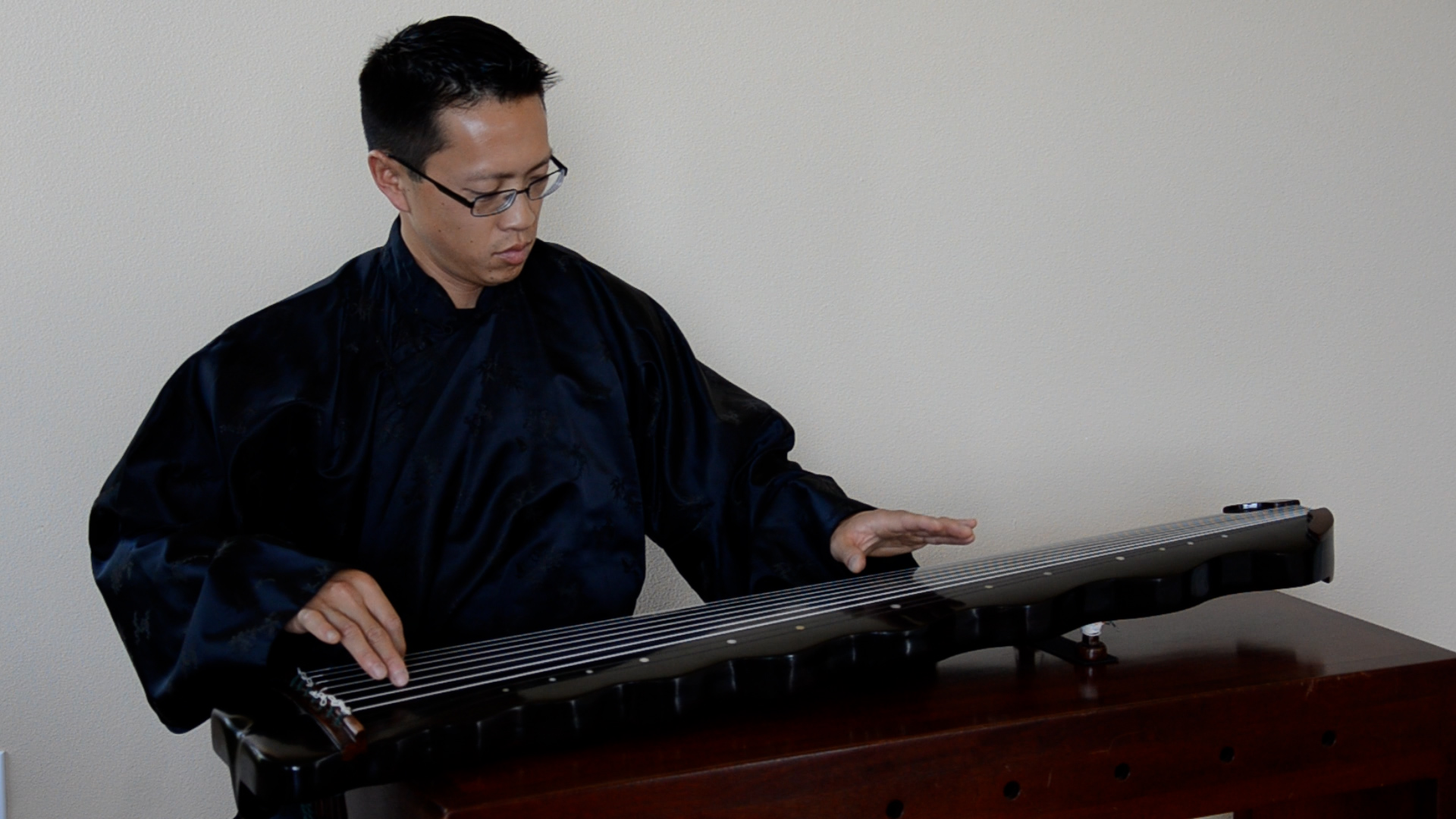
So on April 22, in my first lesson, Lui Laoshi had me start out with 仙翁操. The song describes XianWeng, or The Transcendent Venerable One, which points to the Song dynasty hermit, Chen Tuan. The main technical points, according to my teacher, is that it allows the student to learn the intervals and relationships between…