ARCHIVES

Tag: Pacific Ocean

  • Mauna Kea Hike

    Mauna Kea Hike

    We could have just driven up there, against the car rental policy. I didn’t actually read the verbiage, but according to a lot of websites, most rental car companies prohibit driving up the road from the Mauna Kea Visitor Information Station to the top. So, we decided to hike it.

    Joining me are my senior residents: Krysten Bell and Rob Quigley. We were all there for the Western Orthopaedic Association meeting, and this hike is part of our Big Island excursion.

    Early Saturday morning, still in the thick of the Hilo rainstorm, we get up early, enjoy a full breakfast, and jump into our cars. Driving up Saddle Road, we remain engulfed inside this large cloud. Right at the junction to turn off, we meet clear skies, and a rainbow surrounds our car.

    The Onizuka Center for International Astronomy Visitor Information Station is closed, so we self-register for the hike. The Humu’ula Trail carries us away from the station and hovers above the clouds the whole time. Everything is a moonscape, but instead of plain gray, the rocks come in so many colors—mostly rust red, but also turquoise green and carbon black. We pass many false summits made up of cinder cones.

    After going through the ice age area, we reach the main road. This is the road that cars drive up. At this point, the trail ends, and we hike up the road. Several cars zoom by, but we had only met one person on the trail. The last mile is up this road.

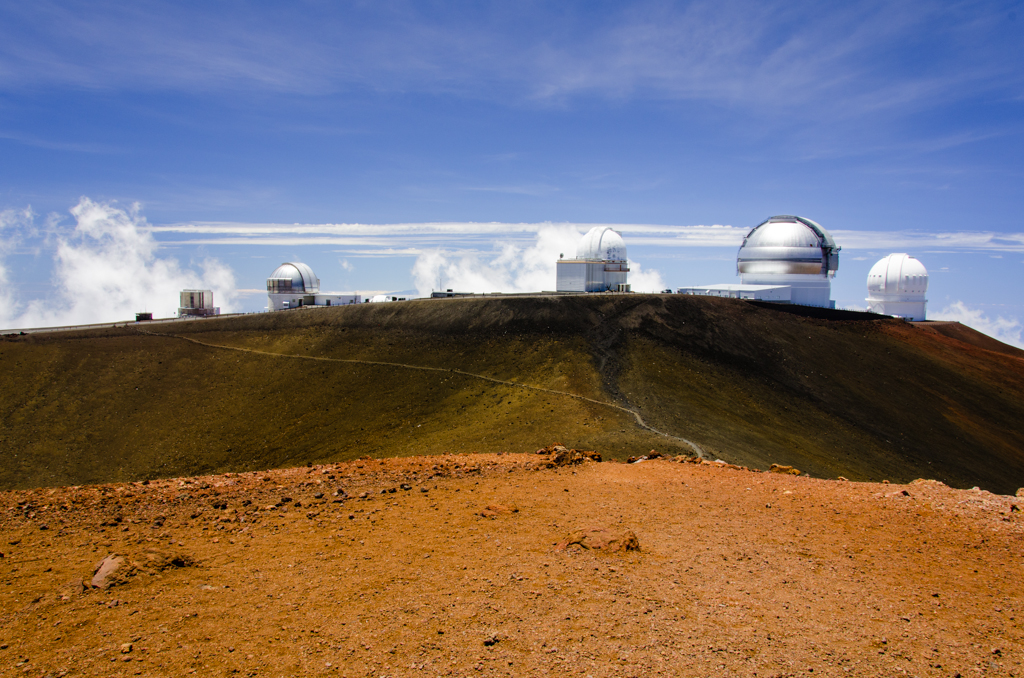
    At the summit, also known as Pu’u Wekiu, which is a cinder cone next to some of the largest telescopes, we take in the views. Here, on this highest place of the Pacific Ocean, and on this tallest mountain on earth (33,500 ft tall, or 13,796 ft above sea level), we share thoughts about the Sabbath, sing hymns, and say prayers.

    On the way down, looking back toward the summit, we see a whole caravan of cars going on the guided tour the summit, and we are glad we got to experience solitude and the spiritual sense of the place on this special Sabbath day.

  • Part 4, In Juneau and Skagway

    Part 4, In Juneau and Skagway

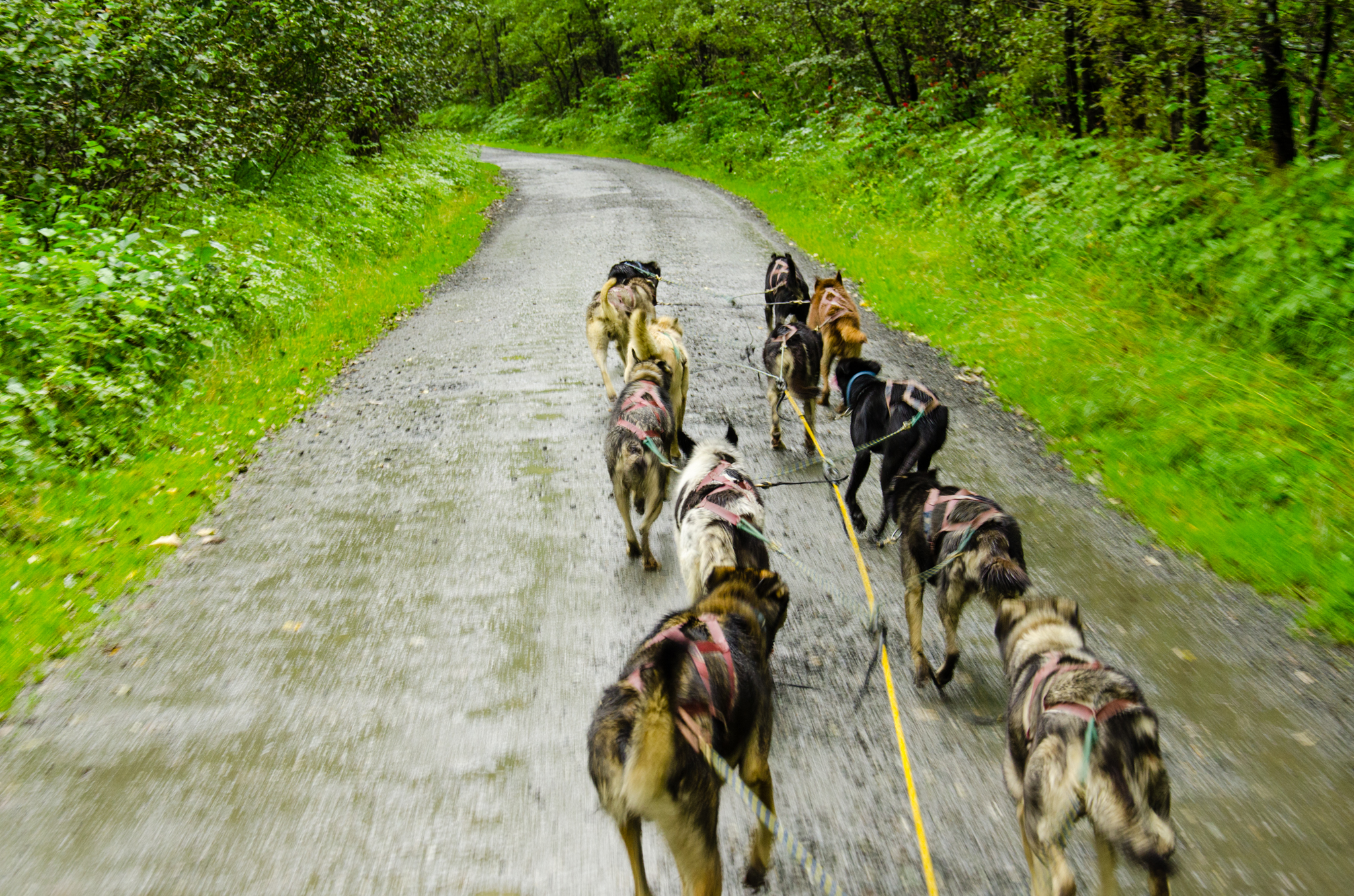
    The crew makes up time, getting us to Juneau only slightly later than scheduled. A shuttle bus drops us off at the tramway station, and we walk the rest of downtown. The old St. Nicholas Russian Orthodox Church welcomes tourists like us and worshipers alike. Andy and I make a quick pass through the State Capitol. Nothing is in session, and the Speaker’s seat waits to be usurped. Our brisk walk takes us back to the tramway station, and we hop on the next shuttle. Back at the dock, a van takes us meandering through the AJ Gold Mine ruins to arrive at the Gold Rush Summer Dog Camp. Following an introduction, twelve trained Alaskan sled dogs race us along the road, bumping over potholes, puddles, and pools. Alice gets to hold a six-week-old puppy. Back on the ship, Libby Riddles delivers an inspiring story of her dreams and journey to become the first woman to win the Iditarod Trail Sled Dog Race, even with the mishap of losing her dog team early in the competition.

    We then set sail for Skagway. Early morning, we board the White Pass and Yukon Route train and snake our way up the narrow gauge track, coursing by the old cemetery, the Skagway River, Bridalveil Falls, two tunnels, and the historic cantilever bridge of 1901. However, mist shrouds any hope of having distant views. After eighteen miles, we cross into and back out of British Columbia. Returning to downtown, we visit the heart of the Klondike Gold Rush, now pulsing with tourists rather than prospectors. Before we leave Alaska, local entertainer Steve Hites sings ballads of the old gold rush and recounts stories of Alaska’s path to statehood.

    We retrace our path out of the Lynn Canal and into the Chatham Strait as dinner is served. The after dinner entertainment is the International Crew Talent Show, featuring some of the engineers, waiters, cooks, and other staff. By morning, we’re sailing the open Pacific Ocean on much calmer seas sprinkled with wavelets.

    *  *  *  *  *

  • Part 2, From Seattle to Inside Passage
    Part 2, From Seattle to Inside Passage

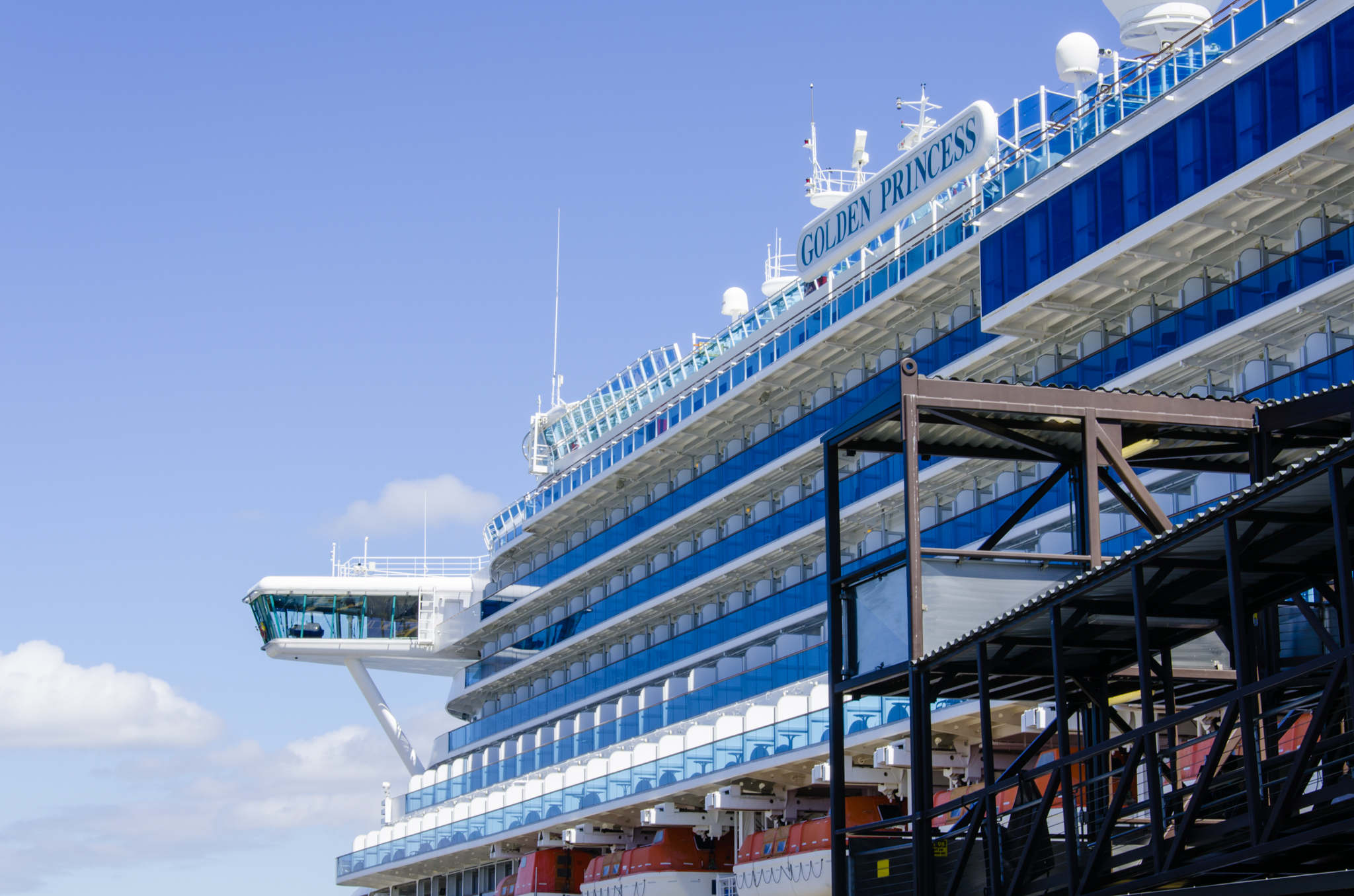
    People, all trying to escape onto the cruise liners, jam pack the Smith Cove terminal. The entire hall swirls with excitement of the upcoming vacations. The process takes a long time, but we finally board the Golden Princess, have a late buffet lunch, and go through emergency drills.

    Soon, the horn blasts through all of us standing on the top deck, and we’re off, setting sail for Alaska through the Strait of Juan de Fuca and the Inside Passage. After gorging ourselves in Seattle and the buffet, the first order of business is to work out, of course. The welcome show introduces us to the upcoming cruise services. Right after this, we literally sail off into the sunset.

    We had reserved the second dinner setting. Our table, number 275, happens to sit right next to a window, and the waiters assigned to us are meticulous. They both have OCD, the main waiter more affected than the junior. Every detail is perfect—appetizer spoon, fish fork, filet knife, fresh herb garnish, hand-selected berries. It’s all about presentation.

    I wake up earlier than the rest and catch the Wake Show with Kelly and Dave, cruise directors, while it plays on the big screen as we sail in the open Pacific Ocean. The sea, originally quite calm, churns on its long wash cycle. In the upper deck swimming pools, water sloshes back and forth, emptying each end with every roll. It’s good that lunch never found its way back up. In the line dancing session, Kelly tells us the rule: if you make a mistake, blame the ship. By dinner time, we steer back into quiet waters. While sailing through the Inside Passage, we enjoy dinner and showtime.

    *  *  *  *  *