Tag: 古琴吟

  • Second Lesson Pieces

    Second Lesson Pieces

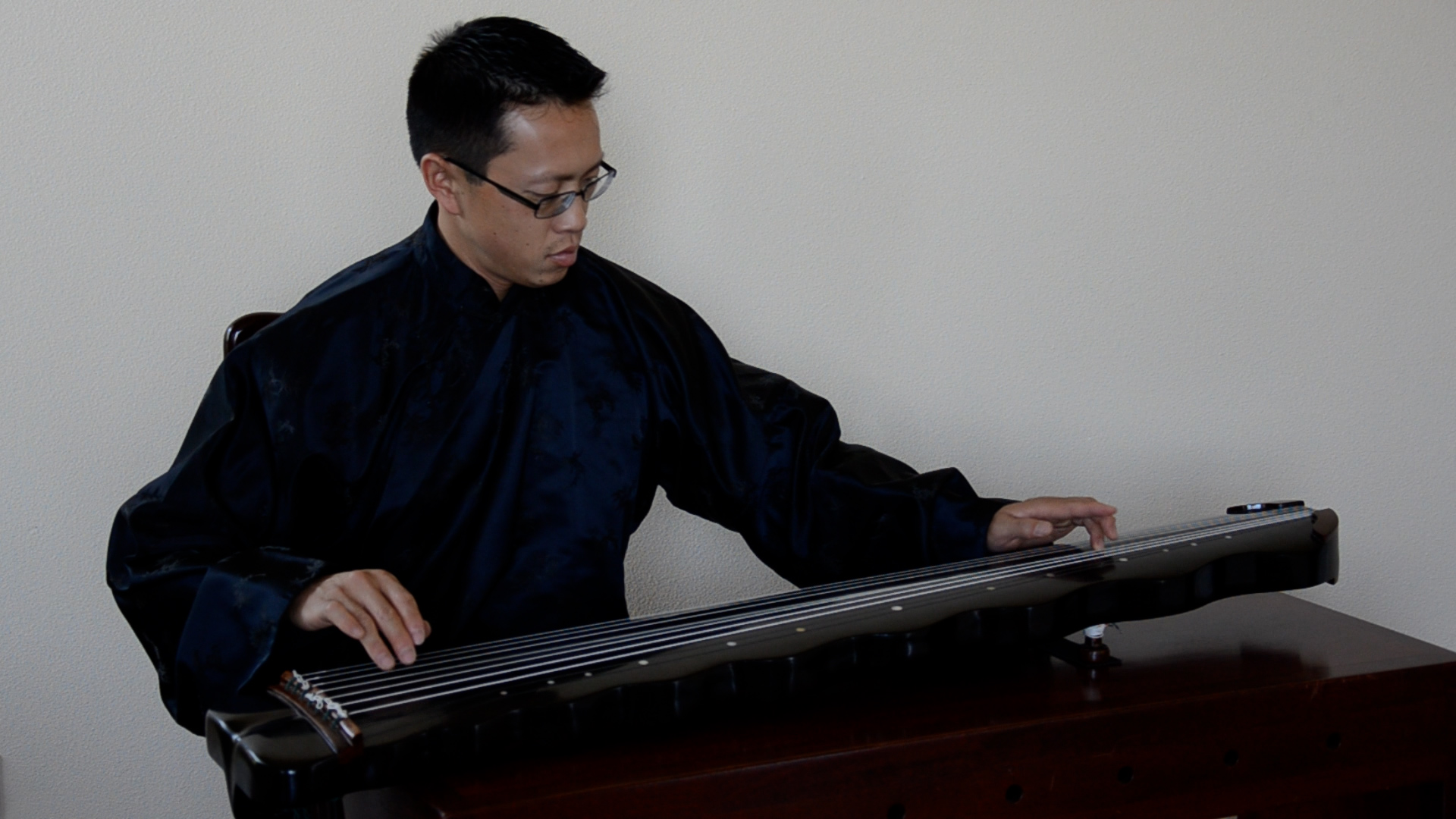
    In my second lesson with Lui Laoshi on April 29, 2012, he gave me two more pieces.

    The first piece is 古琴吟, also known as 相思曲, which is supposed to allow practice of accurate finger sliding positions for the left hand. The ethereal harmonics at the beginning and end of the song calls up the ghost story related to the famous poet, Su Dongpo (1097–1100 AD). While by Hangzhou’s West Lake, he hears a woman playing outside his window one evening, singing the lyrics of this song. When he looks, he sees the young woman disappear under the wall. At daybreak, he digs underneath to find an old guqin. The earliest record of this piece dates from 1573.

    Lyrics for 古琴吟:

    音音音,恁負心,真負心。
    辜負俺,辜負俺,到如今。
    記得當初,低低唱,淺淺斟,一曲值千金。
    如今撇我在古牆陰。
    秋風蓑草白雲深,流水高山何處尋?
    悲悲切切,冷冷清清,叫人怎禁。

    The next piece is 秋風詞. This piece depicts the autumn breeze and bright fall moon, falling leaves being scattered by the wind, love, and memories. The first verse is borrowed from the poet, Li Bai 李白 (701–762 AD). The poem is titled 三五七言, or Verses of Three, Five, and Seven Characters.

    Lyrics for 秋風詞:

    秋風清,秋月明。
    落葉聚還散,寒鴉樓復驚。
    相親相見知何日,此時此夜難為情。
    入我相思門,知我相思苦。
    長相思兮長相憶。
    短相思兮無盡致。
    早知如此絆人心。
    何如當初莫相識。

  • Guqin Lessons

    Guqin Lessons

    After constructing three instruments, I finally started taking formal guqin lessons—from Lui PuiYuen (吕培源).

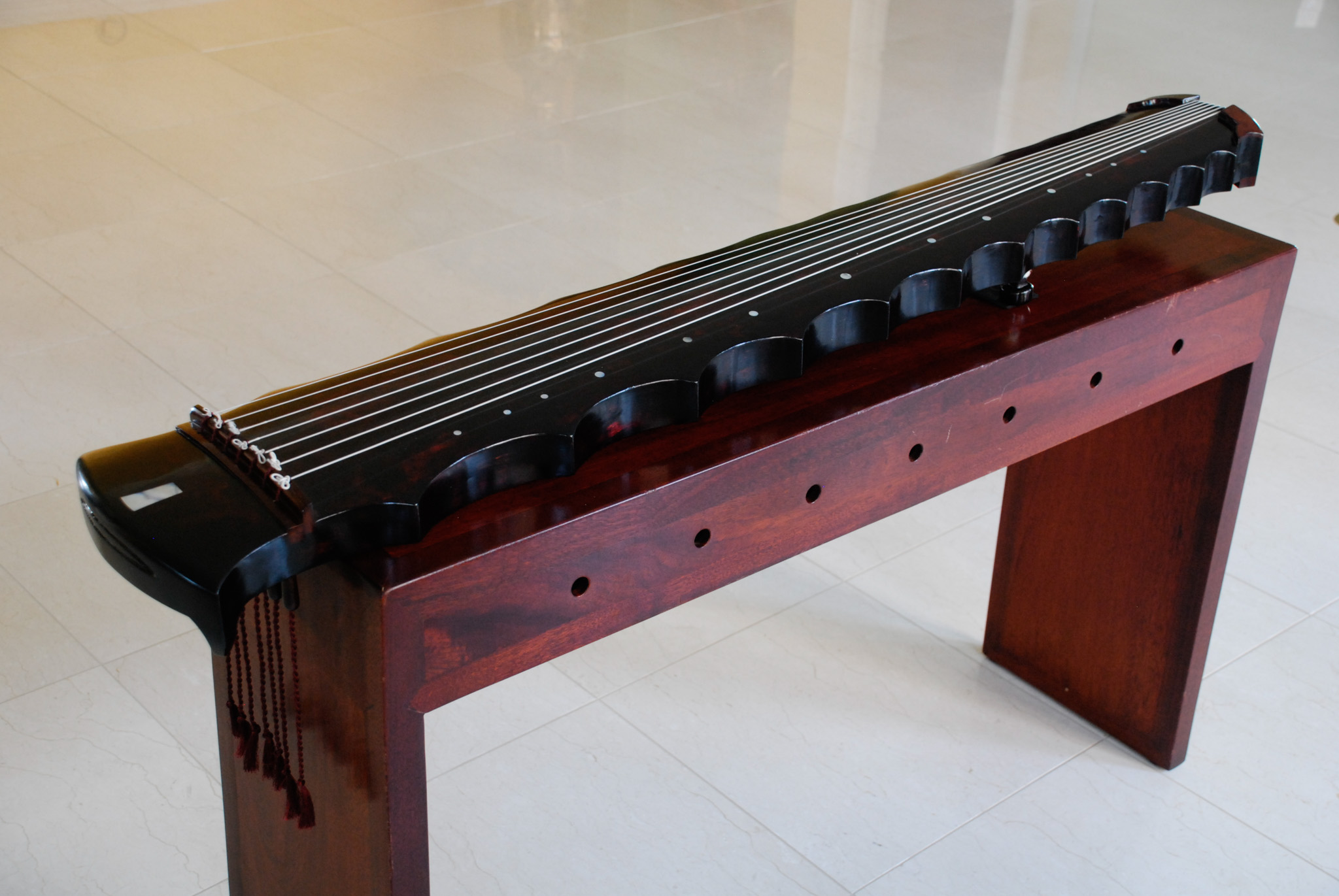
    This all came about in an interesting way. More than ten years ago, I found the 與古齋琴譜 (Abiding with Antiquity Guqin Manual, 1855, tr. Binkley) on the internet while looking for construction details. After making my first one, I decided to improve on the design, and in 2010, I was inspired to make two more instruments. I kept a construction blog, including an album of the entire process.

    Jim Binkley, who translated the 與古齋琴譜, found my blog and wrote me with some questions. He now teaches computer science at Portland State University. I also asked him if he knew of any contacts in Southern California, since the guqin is a relatively obscure instrument. He said that one of the best players still alive is Mr. Lui, and that I might contact one of his former students, Alan Yip, and get connected.

    After meeting up with Alan and later with Lui Laoshi, I started my first lesson on April 22. The curriculum started with 仙翁操 and 湘江怨. The next lesson included 古琴吟 and 秋風詞. Now, I’m working on 歸去來辭. Many of these are based on ancient poems.

    I’ll try to post recordings when I get a chance.